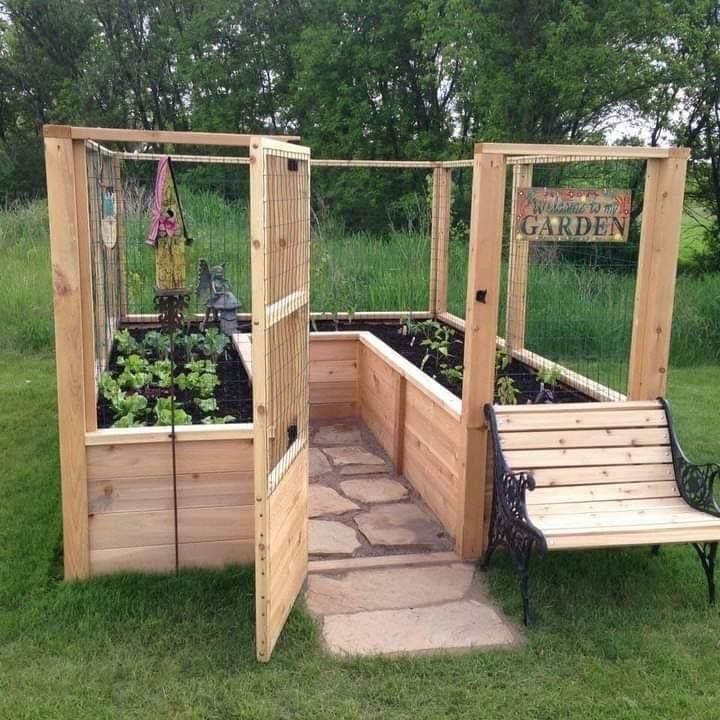
Gardening is one of the most rewarding hobbies, but poor soil, weeds, and back strain can make it difficult. That’s why I love raised garden beds—they improve soil quality, make maintenance easier, and extend the growing season.
When I built my first raised bed, I had many questions: What’s the best wood to use? How deep should the bed be? What soil mix is best? Through trial and error, I figured out exactly what works best.
In this ultimate guide, I’ll take you step by step through how to build a raised garden bed from wood. By the end, you’ll have a sturdy, long-lasting raised bed that will help you grow healthier plants with less effort.
Why Should You Build a Raised Garden Bed?
Before we dive into the step-by-step process, let’s go over why raised garden beds are so beneficial. Whether you’re growing vegetables, herbs, or flowers, a raised bed offers several advantages over traditional in-ground gardening.
1. Improved Soil Quality
One of the biggest challenges with in-ground gardening is dealing with poor soil conditions—too sandy, too clay-heavy, or lacking nutrients. With a raised bed, you control the soil mix, ensuring it’s nutrient-rich, well-draining, and full of organic matter.
2. Better Drainage and Aeration
Raised garden beds prevent water from pooling around plant roots, reducing the risk of root rot. At the same time, they allow for better aeration, which is crucial for healthy root development.
3. Easier Weed and Pest Control
Since you’re adding fresh soil, you’ll deal with fewer weeds compared to traditional gardening. Raised beds also help deter burrowing pests like moles, voles, and gophers, especially if you line the bottom with hardware cloth.
4. Less Strain on Your Back and Knees
Gardening can be physically demanding, especially when bending down repeatedly. A raised garden bed reduces strain on your back and knees, making it easier to plant, weed, and harvest.
5. Longer Growing Season
Raised beds warm up faster in the spring, allowing you to plant earlier. If you add a row cover or cold frame, you can extend your growing season into fall and even winter.
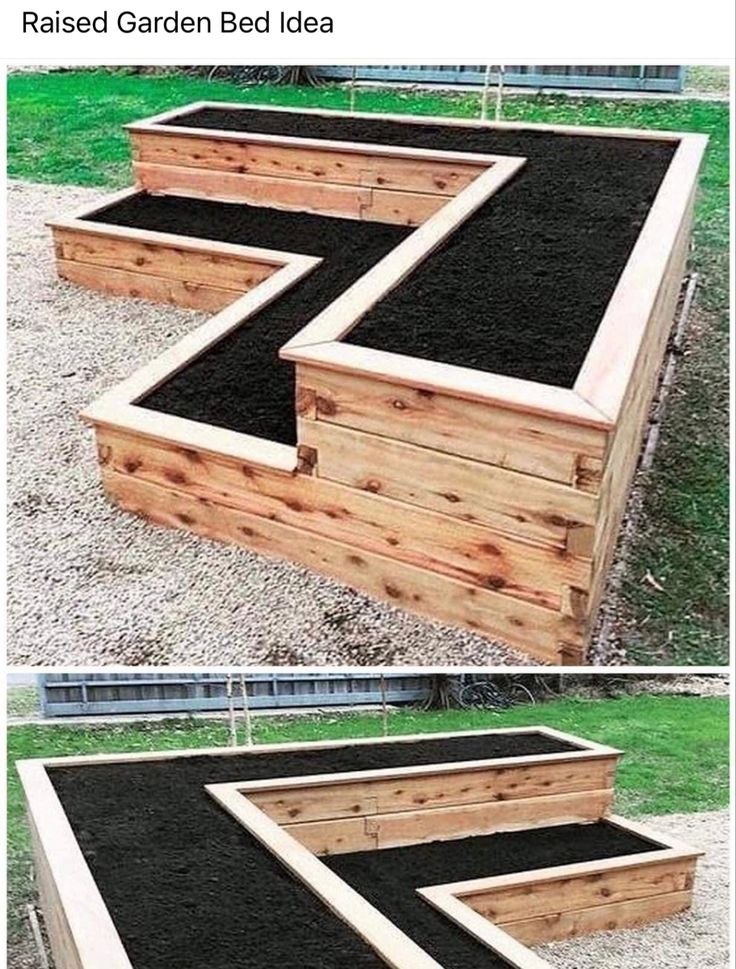
Step 1: Choosing the Right Wood for Your Raised Bed
Not all wood is created equal. The type of wood you choose will determine how long your raised bed lasts and whether it’s safe for growing food.
What to Look for in Wood
- Durability – The wood should be resistant to rot, insects, and harsh weather.
- Chemical-Free – If you’re growing food, avoid wood treated with harmful chemicals.
- Thickness – Thicker boards (at least 1.5 inches) last longer and hold more soil weight.
Best Wood Options for Raised Beds
| Wood Type | Durability | Pros | Cons |
|---|---|---|---|
| Cedar | 10-15 years | Naturally rot-resistant, no chemicals | Expensive |
| Redwood | 15+ years | Extremely durable, beautiful color | Pricey |
| Douglas Fir | 5-7 years | Affordable, widely available | Shorter lifespan |
| Pressure-Treated Pine | 15+ years | Rot-resistant, inexpensive | Some concerns about chemicals |
My recommendation: Use cedar or redwood if your budget allows. If you’re looking for a more affordable option, Douglas fir is a good alternative.
Step 2: Gathering Your Materials and Tools
Before you start cutting and assembling, gather all the necessary materials.
Materials:
- 4 pieces of 2×6 or 2×8 lumber (for the sides)
- 4 pieces of 4×4 or 2×4 posts (for the corners)
- Galvanized screws or nails (to prevent rust)
- Hardware cloth (to keep pests out)
- Landscape fabric (to suppress weeds)
- Compost, topsoil, and sand (for the soil mix)
Tools:
- Circular saw (or handsaw)
- Drill with screwdriver bits
- Measuring tape
- Level
- Work gloves & safety glasses
Once you have your supplies, it’s time to cut and assemble the frame.
Step 3: Cutting and Assembling the Wooden Frame
Step 3.1: Measuring and Cutting the Wood
A standard raised garden bed size is 4 feet wide by 8 feet long and 12-18 inches high. This size is ideal because:
- 4 feet width allows you to reach the center from either side.
- 8 feet length provides plenty of growing space.
- 12-18 inches height is deep enough for most vegetables and flowers.
Step 3.2: Assembling the Frame
- Lay the boards out on a flat surface to form a rectangle.
- Attach the corner posts – Secure a 4×4 or 2×4 post at each corner using galvanized screws.
- Reinforce the structure – If your bed is longer than 6 feet, add a middle support brace to prevent the boards from bowing outward.
Your frame is now ready for installation!
Step 4: Preparing the Ground and Installing the Raised Bed
Step 4.1: Clearing the Area
- Remove any grass, weeds, or debris.
- Level the ground to ensure the bed sits evenly.
Step 4.2: Lining the Bottom
- If burrowing pests are a concern, staple hardware cloth to the bottom.
- To suppress weeds, lay landscape fabric under the bed.
Step 4.3: Positioning the Raised Bed
- Place the wooden frame in position.
- Use a level to ensure it’s even.
- Adjust as needed before adding soil.

Step 5: Filling Your Raised Bed with the Best Soil Mix
Best Soil Mix for Raised Beds
| Ingredient | Purpose |
|---|---|
| 60% Topsoil | Provides structure and nutrients |
| 30% Compost | Adds organic matter and enriches the soil |
| 10% Perlite or Sand | Improves drainage and aeration |
After filling, lightly compact the soil and give it a good watering.
Step 6: Planting and Maintaining Your Raised Bed
Best Plants for Raised Beds
- Vegetables – Tomatoes, carrots, lettuce, spinach, peppers.
- Herbs – Basil, rosemary, thyme, mint.
- Flowers – Marigolds, sunflowers, petunias.
Watering and Maintenance Tips
- Water deeply but not too frequently.
- Add mulch to retain moisture and reduce weeds.
- Check for pests regularly and use organic solutions like neem oil.
To enhance your understanding of building a raised garden bed from wood, here’s a helpful video that provides a visual, step-by-step guide:
Read Also:
Build Your Dream Wooden Garden Arbor
DIY Potting Bench Plans: How I Built the Ultimate Garden Workspace
How to Build a Chicken Coop for Beginners: The Ultimate 2025 Guide
Final Thoughts: Enjoy Your DIY Raised Garden Bed!
Building a raised garden bed from wood is one of the best gardening investments you can make. It’s easy to maintain, improves plant health, and makes gardening more enjoyable. With the right materials, your raised bed can last for over a decade!
If you love DIY woodworking projects, I highly recommend Ted’s Woodworking Plans. It’s an amazing resource with 16,000+ detailed woodworking guides that make building anything easy—even if you’re a beginner.
Affiliate Disclosure
This article contains affiliate links. If you purchase through them, I may earn a small commission at no extra cost to you. This helps support my work in providing valuable DIY guides—thank you for your support!
Now it’s your turn! Are you ready to build your own raised garden bed? Let me know in the comments if you have any questions. Happy gardening! 🌱
Discover more from WoodReality
Subscribe to get the latest posts sent to your email.
 WoodReality
Pingback: How to Build a Wooden Garden Bridge – A Step-by-Step Guide – WoodReality