Woodworking is one of the oldest crafts in the world, and in today’s age of mass-produced furniture, it’s also one of the most rewarding hobbies you can take up. With just a few tools and a bit of patience, you can build furniture, storage solutions, home décor, and even gifts that last a lifetime.
But here’s the challenge most beginners face: where do you start?
The answer is simple – start with a good woodworking plan.
A clear plan saves you time, money, and frustration. It gives you step-by-step instructions, accurate measurements, cut lists, and often diagrams that show you exactly how to bring a project to life. Whether you want to make a simple shelf or an impressive coffee table, the right plan makes the process fun instead of overwhelming.
In this guide, we’ll cover:
- Why woodworking plans are essential for beginners
- The pros and cons of free vs. paid plans
- A list of 10 beginner-friendly woodworking plans you can try today
- The best sources to find reliable plans
- Extra tips to succeed with your first projects
And if you want to go deeper, we’ll show you where you can get access to the largest collection of woodworking plans available online – a resource that can keep you busy for years.
Let’s dive in.
Why Woodworking Plans Are Important for Beginners
When you’re just starting out, it might be tempting to “wing it” by copying something you see online. While some very simple projects can be done by eye, most woodworking projects involve precise cuts, accurate measurements, and specific joinery techniques.
Without a plan, here’s what usually happens:
- You cut a board too short and have to buy more wood.
- You miscalculate angles and end up with wobbly furniture.
- You forget to account for hardware like hinges or screws.
- You waste time, effort, and materials.
A good woodworking plan prevents all of that.
It provides:
- Step-by-step instructions → clear guidance for each stage.
- Cut list → tells you exactly how many pieces of wood and what sizes you need.
- Material and tool list → so you don’t start a project without the right supplies.
- Illustrations/diagrams → perfect for visual learners.
- Tips and notes → small adjustments that make a big difference.
Think of it like baking: even if you have flour, sugar, and eggs, you still need a recipe to make a cake. Woodworking plans are your recipe for success.
Free vs. Paid Woodworking Plans
The internet is full of woodworking plans. Some are free, some are sold individually, and others come as part of large collections. But which is best for beginners?
✅ Free Woodworking Plans
- Pros:
- No cost – great if you’re experimenting
- Easy to find on blogs, forums, and YouTube
- Simple projects like shelves, boxes, and birdhouses are often free
- Cons:
- Quality varies widely (some are missing details)
- Many lack diagrams or cut lists
- Limited variety
💰 Paid Woodworking Plans
- Pros:
- Clearer instructions and professional layouts
- More complex projects (tables, cabinets, furniture) available
- Often include diagrams, 3D renderings, and step-by-step images
- Saves time by being precise and organized
- Cons:
- Requires investment (though usually affordable)
👉 If you want to try out woodworking as a hobby, start with free plans. If you know you’ll stick with it, investing in the largest collection of woodworking plans will save you countless hours and wasted wood.
10 Best Woodworking Plans for Beginners
Now let’s look at 10 beginner-friendly woodworking projects with plans you can follow today. Each project introduces you to fundamental woodworking skills while giving you something useful and rewarding at the end.
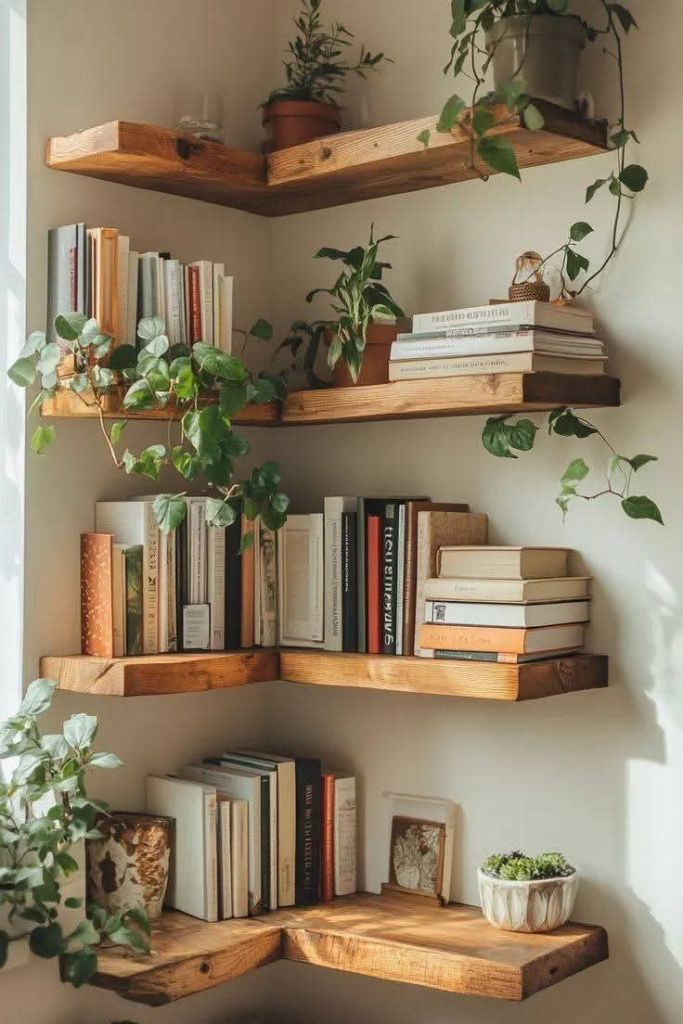
1. Simple Wooden Shelf
Difficulty: ★☆☆☆☆ (Very Easy)
Estimated Time: 2–3 hours
Best For: Beginners learning straight cuts
A shelf is one of the easiest projects you can start with. It involves cutting a few straight boards, attaching brackets, and finishing the surface.
Tools Needed:
- Handsaw or circular saw
- Drill & screws
- Sandpaper or orbital sander
Skills Learned:
- Measuring and marking wood
- Cutting straight boards
- Attaching hardware
Why It’s Beginner-Friendly:
- Minimal cutting
- Useful in every home
- Can be customized in size and style
Pro Tip: Use pine for your first shelf. It’s cheap and easy to cut.
2. DIY Wooden Cutting Board

Difficulty: ★★☆☆☆ (Easy)
Estimated Time: 2–4 hours
Best For: Learning finishing techniques
A cutting board may seem simple, but it’s the perfect project to learn sanding and finishing.
Tools Needed:
- Saw
- Sandpaper (various grits)
- Food-safe mineral oil
Skills Learned:
- Sanding edges smooth
- Applying oil finishes
- Working with hardwoods
Why It’s Beginner-Friendly:
- Small, low-cost project
- No joinery required
- Quick results
Pro Tip: Use maple or walnut – they’re durable and safe for food use.
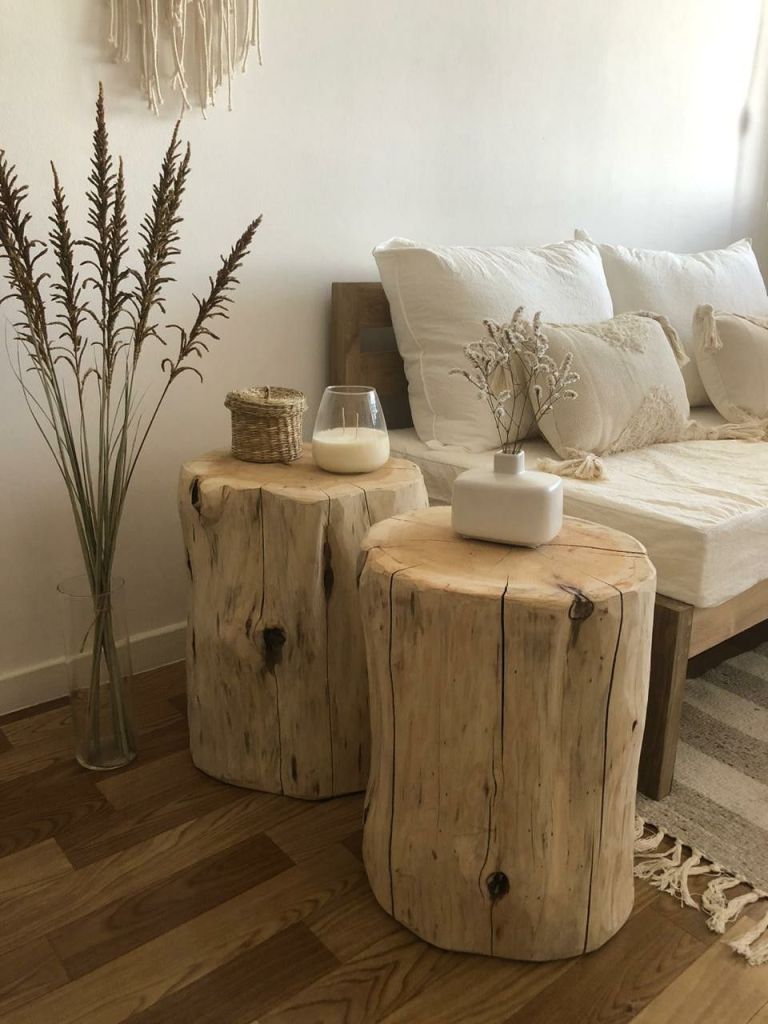
3. Basic Wooden Stool
Difficulty: ★★☆☆☆ (Easy to Moderate)
Estimated Time: 4–6 hours
Best For: Learning balance and strength in furniture
Stools teach you how to build something that must support weight, which is key for furniture-making.
Tools Needed:
- Saw (for legs)
- Drill
- Screws or dowels
- Sandpaper
Skills Learned:
- Cutting legs to equal length
- Adding support beams
- Sturdy joinery basics
Why It’s Beginner-Friendly:
- Small furniture build
- Teaches accuracy
- Can be used every day
Pro Tip: Paint or stain your stool for extra character.
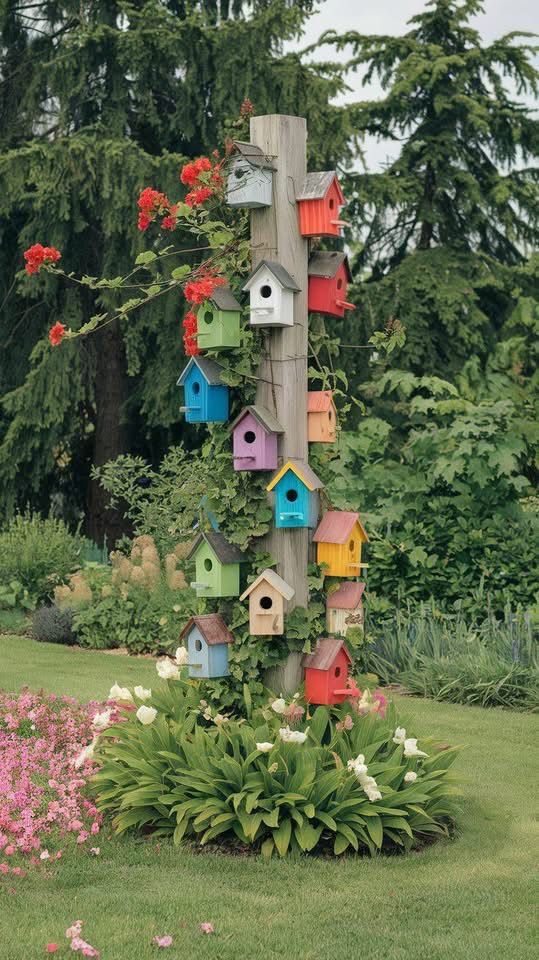
4. DIY Birdhouse
Difficulty: ★★☆☆☆
Estimated Time: 2–3 hours
Best For: Practicing simple cuts and assembly
A birdhouse is a classic woodworking project that never goes out of style.
Tools Needed:
- Saw
- Drill
- Nails or screws
Skills Learned:
- Measuring and cutting small boards
- Drilling holes
- Simple box construction
Why It’s Beginner-Friendly:
- Small size = low cost
- Great for kids and families
- Highly rewarding project
Pro Tip: Seal the wood for outdoor use.
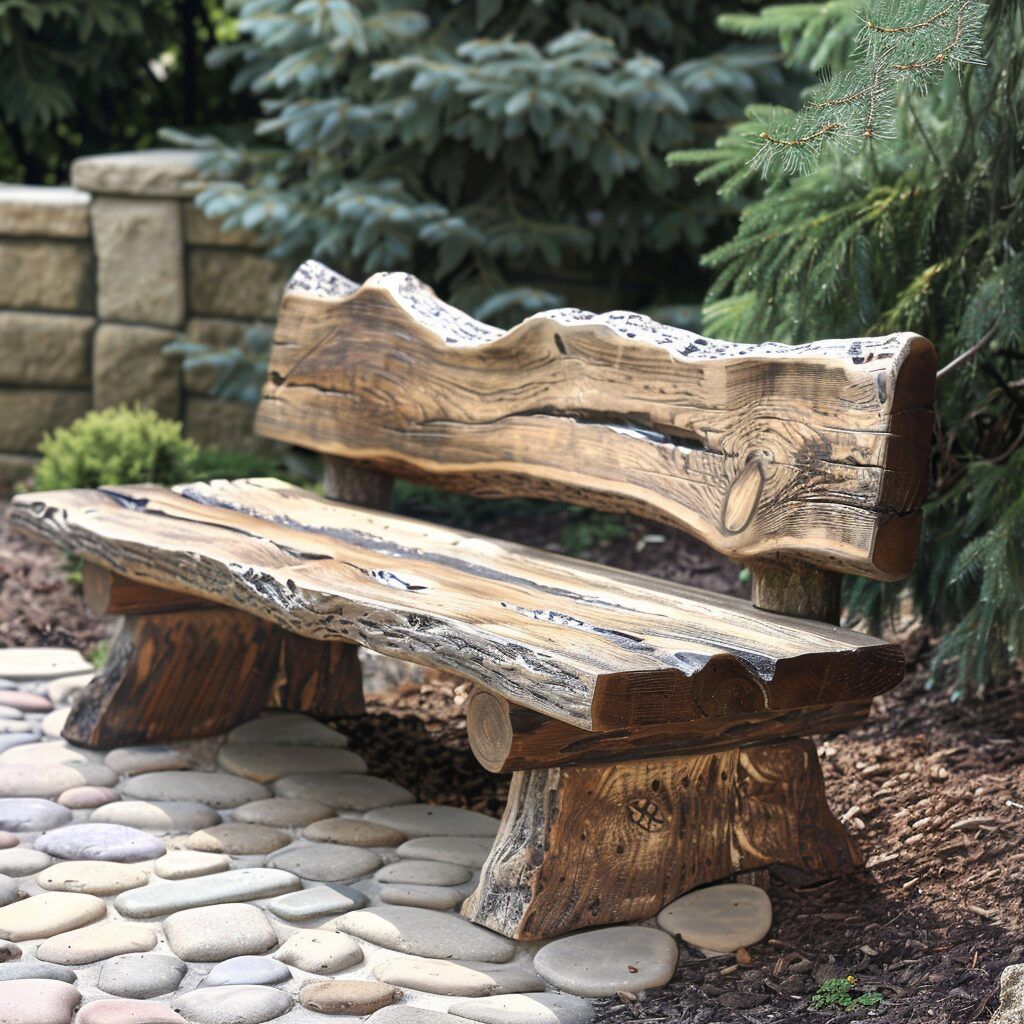
5. Simple Wooden Bench
Difficulty: ★★★☆☆ (Moderate)
Estimated Time: 6–8 hours
Best For: Outdoor furniture beginners
A bench is slightly more advanced than a stool but still beginner-friendly.
Tools Needed:
- Circular saw
- Drill
- Screws and wood glue
Skills Learned:
- Working with longer boards
- Building support frames
- Finishing outdoor projects
Why It’s Beginner-Friendly:
- Straight cuts only
- Functional project
- Outdoor or indoor use
Pro Tip: Use cedar for outdoor benches – it resists weather.
6. DIY Wooden Box
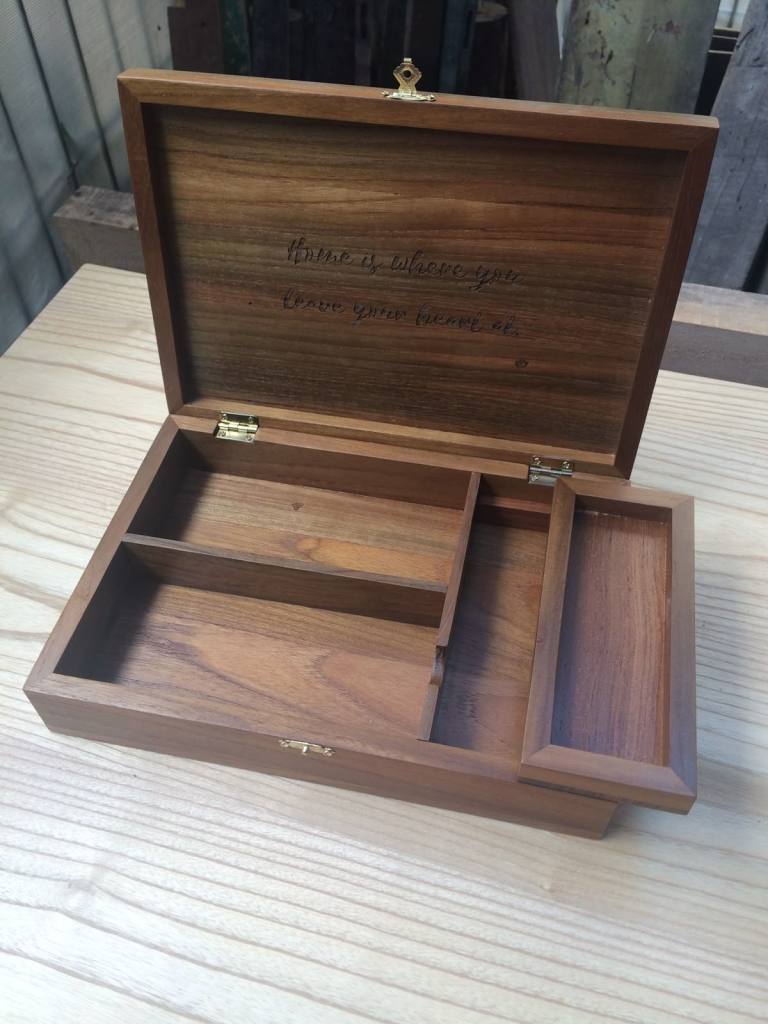
Difficulty: ★★☆☆☆
Estimated Time: 3–4 hours
Best For: Practicing precision
A wooden box may be small, but it’s an essential skill-building project.
Tools Needed:
- Saw
- Wood glue
- Clamps
- Optional: Hinges
Skills Learned:
- Making 90° joints
- Gluing and clamping
- Adding hardware
Why It’s Beginner-Friendly:
- Teaches accuracy
- Can be used for storage
- Great starter project
Pro Tip: Start simple before adding hinges or decorative edges.
7. Wall-Mounted Coat Rack
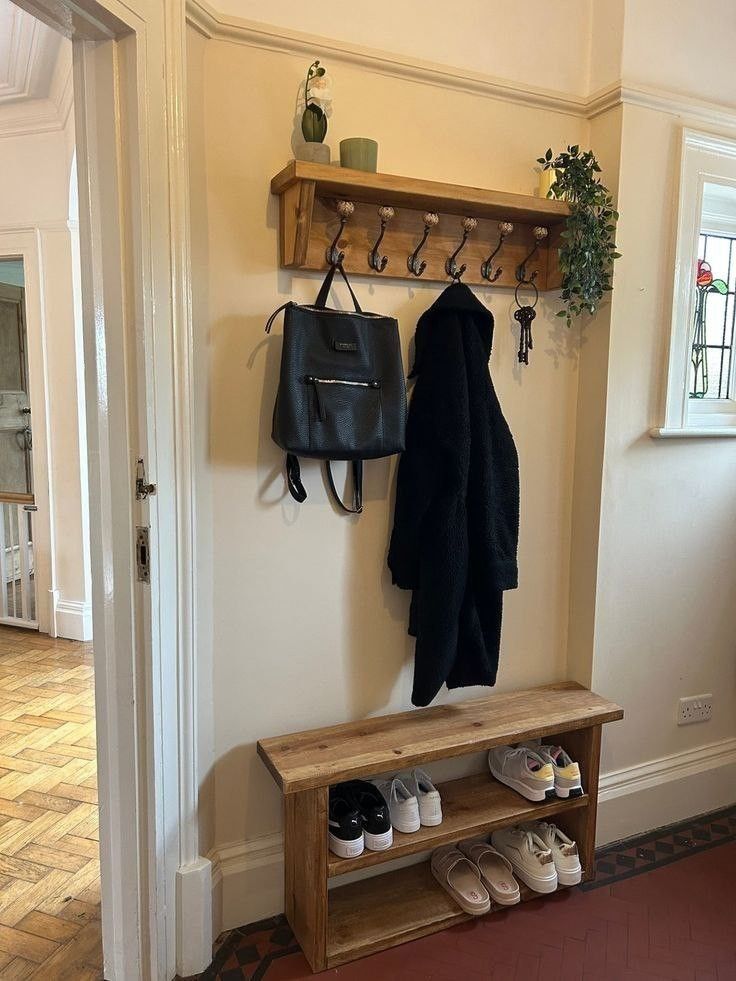
Difficulty: ★★☆☆☆
Estimated Time: 2–3 hours
Best For: Practical home project
A coat rack is a straightforward project that’s both decorative and useful.
Tools Needed:
- Saw
- Drill
- Sandpaper
Skills Learned:
- Cutting and finishing a backboard
- Attaching hooks
- Mounting on walls
Why It’s Beginner-Friendly:
- Few cuts required
- Teaches finishing skills
- Adds instant value to your home
Pro Tip: Add a top shelf for hats and small items.
8. DIY Wooden Picture Frame
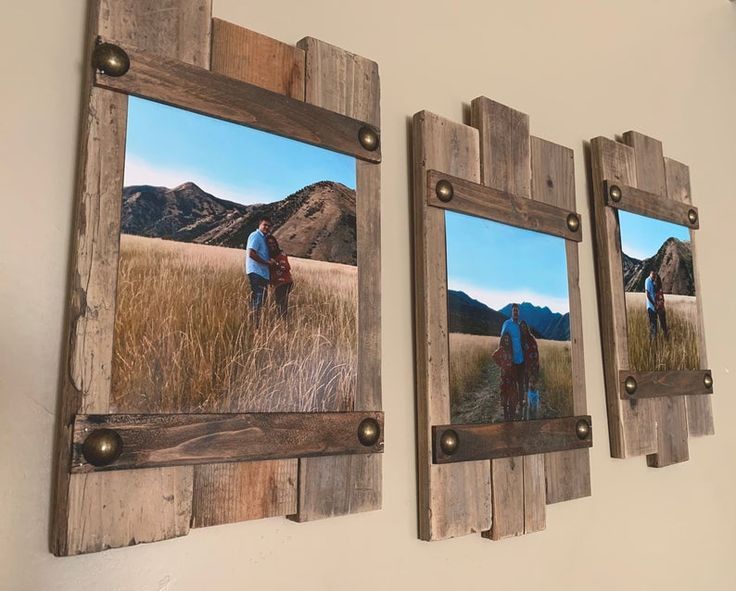
Difficulty: ★★★☆☆
Estimated Time: 4–6 hours
Best For: Learning angled cuts
A picture frame introduces you to 45° angle cuts with a miter saw.
Tools Needed:
- Miter saw
- Glue
- Clamps
Skills Learned:
- Precision cutting
- Gluing corners
- Adding backing and glass
Why It’s Beginner-Friendly:
- Small size = forgiving mistakes
- Great as gifts
- Builds accuracy skills
Pro Tip: Use a jig for perfect miter cuts.
9. Simple Coffee Table
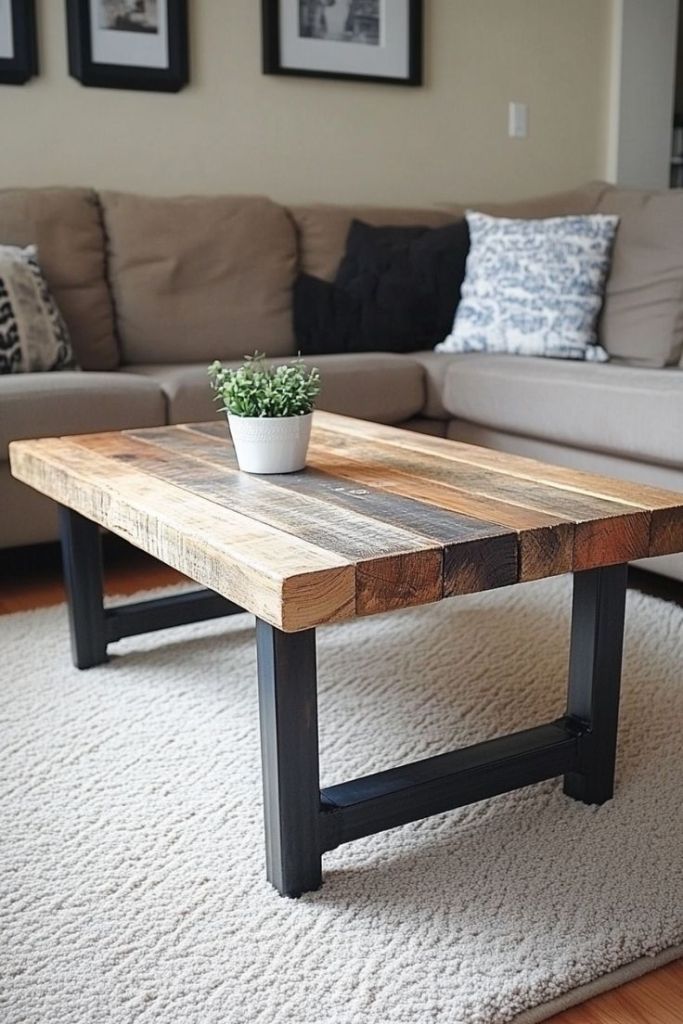
Difficulty: ★★★☆☆
Estimated Time: 6–10 hours
Best For: First larger furniture build
A coffee table introduces you to building frames and attaching legs.
Tools Needed:
- Circular saw
- Drill
- Screws and glue
Skills Learned:
- Building frames
- Joining legs
- Sanding large surfaces
Why It’s Beginner-Friendly:
- Larger but simple project
- Functional furniture piece
- Good introduction to furniture joinery
Pro Tip: Keep the design minimal with straight cuts.
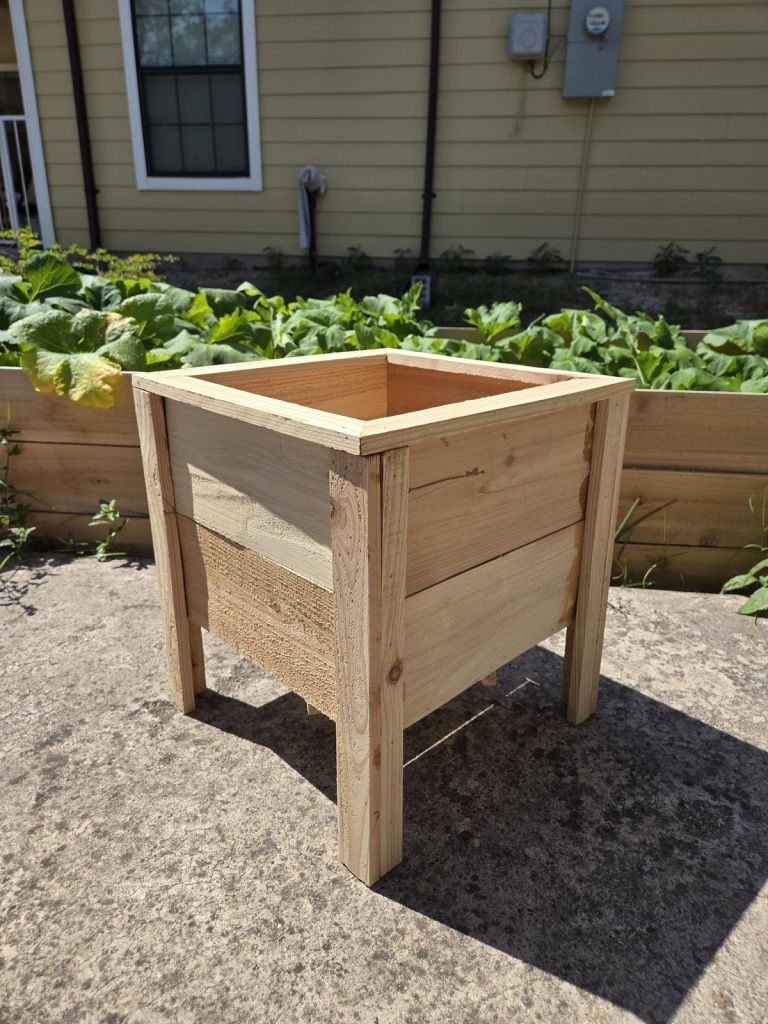
10. DIY Wooden Planter Box
Difficulty: ★★☆☆☆
Estimated Time: 3–5 hours
Best For: Outdoor woodworking
Planter boxes are perfect for gardens, balconies, or patios.
Tools Needed:
- Saw
- Drill
- Exterior screws
Skills Learned:
- Working with outdoor wood
- Drilling drainage holes
- Applying protective finishes
Why It’s Beginner-Friendly:
- Very forgiving design
- Great outdoor project
- Adds beauty to gardens
Pro Tip: Line with fabric to extend life.
Where to Find Reliable Woodworking Plans
Now that you know the best beginner projects, the next step is finding reliable plans.
Free Options:
- YouTube – Many channels offer downloadable PDFs with video guides.
- DIY Blogs – Step-by-step written plans for small projects.
- Forums – Woodworking communities often share free resources.
Paid Options:
- Individual Plans – Buy project-specific guides online.
- Complete Collections – If you want thousands of projects with diagrams, cut lists, and step-by-step instructions, consider investing in the largest collection of woodworking plans available. It covers everything from small crafts to full-sized furniture, giving you a lifetime of projects.
👉 For beginners, this can be a game-changer. Instead of spending hours hunting for free plans, you’ll have a library of projects at your fingertips.
Beginner’s Tips for Success
Even with a solid plan, your first projects may feel challenging. Here are some key tips:
- Start with small projects before tackling furniture.
- Use affordable softwoods like pine until you’re confident.
- Invest in clamps – they make gluing easy and accurate.
- Don’t rush sanding – smooth finishes make projects look professional.
- Measure twice, cut once – saves wood and frustration.
- Practice safety – wear goggles, dust masks, and follow tool guidelines.
- Finish every project – even if it’s not perfect, finishing teaches valuable lessons.
FAQs About Woodworking Plans for Beginners
1. What is the easiest woodworking project for beginners?
A simple shelf or box is the easiest starting point. They only require straight cuts and basic joinery.
2. Do I need expensive tools to start woodworking?
No. A saw, drill, sander, and clamps are enough to complete most beginner projects.
3. Where can I find free woodworking plans?
YouTube, blogs, and online woodworking forums are the best places.
4. Are paid plans worth it?
Yes. They provide clearer instructions, save time, and help you avoid mistakes.
5. How much does woodworking cost to start?
You can start for under $100 if you buy basic tools and affordable pine wood.
Final Thoughts
Starting woodworking doesn’t need to be intimidating. With the right plan, even a complete beginner can build something beautiful and useful.
These 10 beginner-friendly woodworking projects are the perfect starting point. They’ll teach you fundamental skills like measuring, cutting, joining, sanding, and finishing – all while giving you tangible results.
If you’re serious about growing in this hobby, consider investing in the largest collection of woodworking plans available online. It will save you countless hours of searching and give you endless inspiration for future projects.
Woodworking is a journey, and every project – no matter how small – builds your skills and confidence. So pick a plan, grab your tools, and start building today.
Affiliate Disclosure
Some of the links in this article are affiliate links. This means if you click on a link and make a purchase, I may earn a small commission at no extra cost to you. I only recommend products and resources I believe are genuinely valuable for woodworkers.
Discover more from WoodReality
Subscribe to get the latest posts sent to your email.
 WoodReality