Woodworking is one of the most satisfying and creative hobbies you can pursue. From crafting furniture to making small decorative items, there’s nothing quite like the feeling of turning raw wood into something beautiful and functional. However, for beginners, woodworking can often feel time-consuming, overwhelming, and full of mistakes.
The good news? You don’t have to struggle through every project. By applying the right strategies, you can save hours, reduce frustration, and improve the quality of your work. In this comprehensive guide, we’ll explore 10 time-saving woodworking tips that every beginner should know, along with examples, practical advice, and recommended resources.
1. Plan Every Project in Detail

One of the most overlooked aspects of woodworking is planning. Without a plan, beginners often waste time making unnecessary cuts, buying extra wood, or correcting errors. A solid plan allows you to work efficiently from start to finish.
How to Plan Like a Pro:
- Sketch Your Project: Draw a rough sketch with approximate dimensions. Even a simple pencil drawing helps you visualize the final product.
- List Materials: Make a detailed list of wood types, screws, nails, and finishes you’ll need.
- Prepare Tools: Check that you have all the necessary tools before starting. Missing tools in the middle of a project can cause frustrating delays.
- Set a Workflow: Determine the order of steps—cutting, sanding, assembling, finishing—to avoid backtracking.
Example: If building a wooden bookshelf, plan the height, shelf spacing, type of wood, screws needed, and finishing method. This avoids mistakes like cutting the shelves too short or buying the wrong wood thickness.
2. Invest in Quality Tools
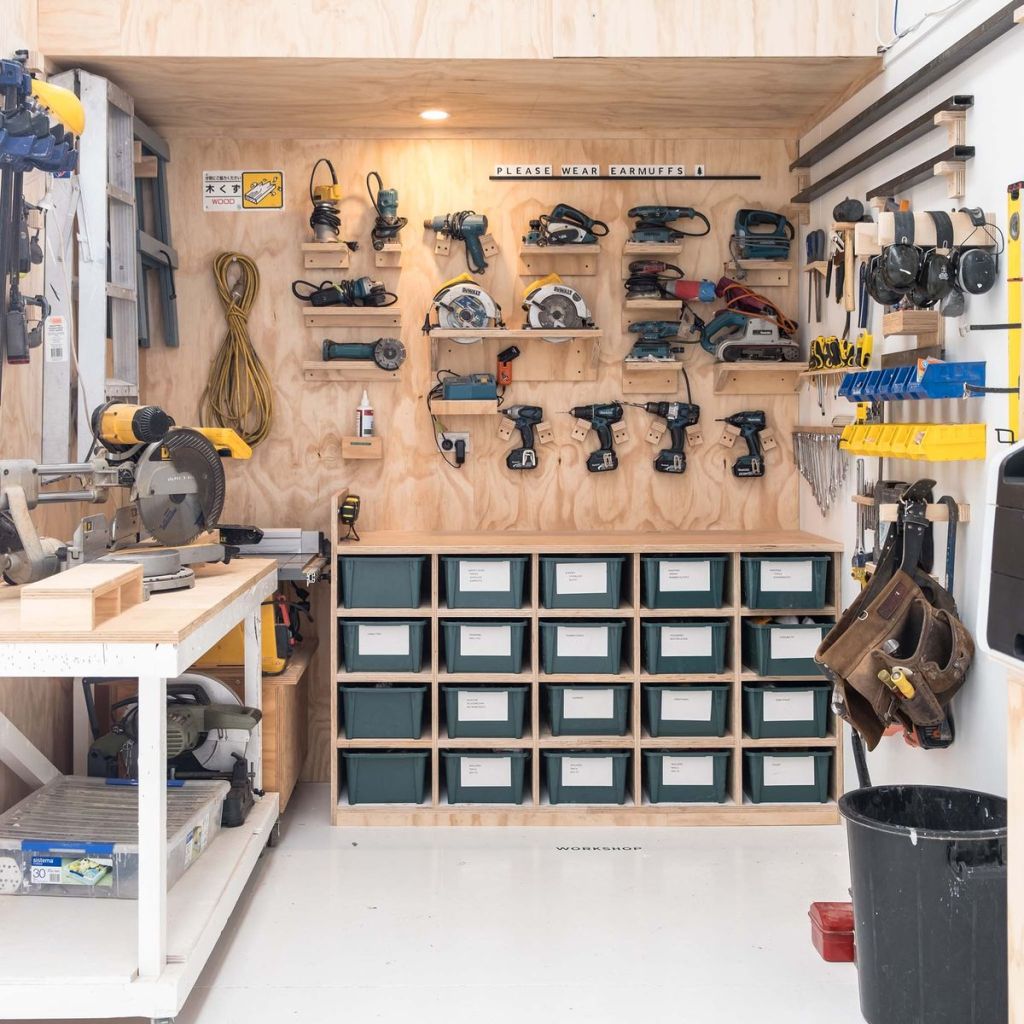
It may be tempting to save money on tools, but cheap or low-quality tools can slow you down and create mistakes. Quality tools cut faster, work more accurately, and last longer, ultimately saving you both time and money.
Essential Tools for Beginners:
- Circular saw for straight cuts
- Cordless drill with multiple bits
- Orbital sander for smooth finishes
- Clamps for holding pieces securely
- Measuring tape, square, and pencil
Pro Tip: Even if you can’t buy everything at once, prioritize a few high-quality tools. A sharp saw blade, for instance, can cut a project in half the time compared to a dull one.
3. Organize Your Workspace
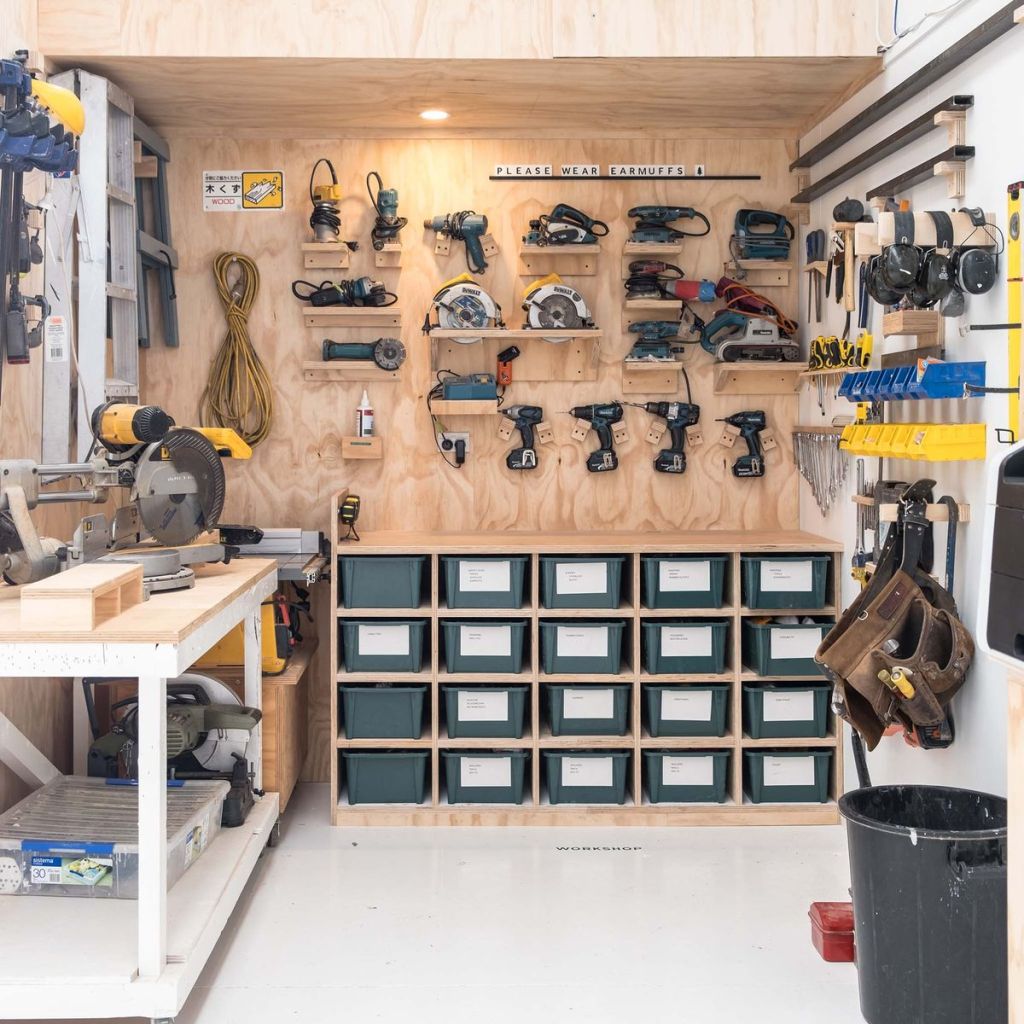
A cluttered workspace is a productivity killer. Beginners often waste time searching for screws, tools, or clamps mid-project.
How to Organize Effectively:
- Tool Storage: Use pegboards or magnetic strips for easy access.
- Material Bins: Label bins for screws, nails, and small pieces of wood.
- Clean As You Go: Clear sawdust and scraps regularly to prevent accidents and speed up workflow.
Example: Having a designated place for all your clamps and screws can save 10–15 minutes per project, which adds up over time.
4. Use Pre-Cut or Pre-Milled Wood
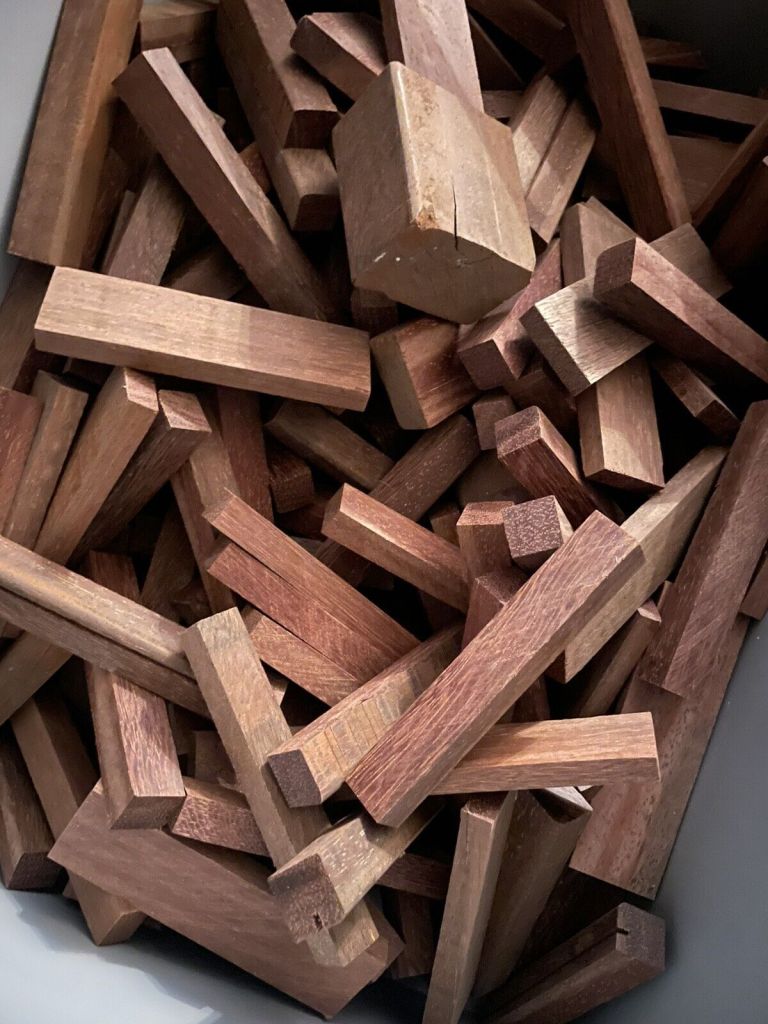
Cutting wood precisely takes skill and time. For beginners, purchasing pre-cut or pre-milled lumber is a huge time-saver.
Advantages of Pre-Cut Wood:
- Eliminates measuring and cutting errors
- Reduces setup time
- Speeds up project assembly
Where to Find Pre-Cut Wood: Many online woodworking stores and local suppliers sell pre-cut boards for furniture, shelves, and smaller projects.
5. Master the Basics First
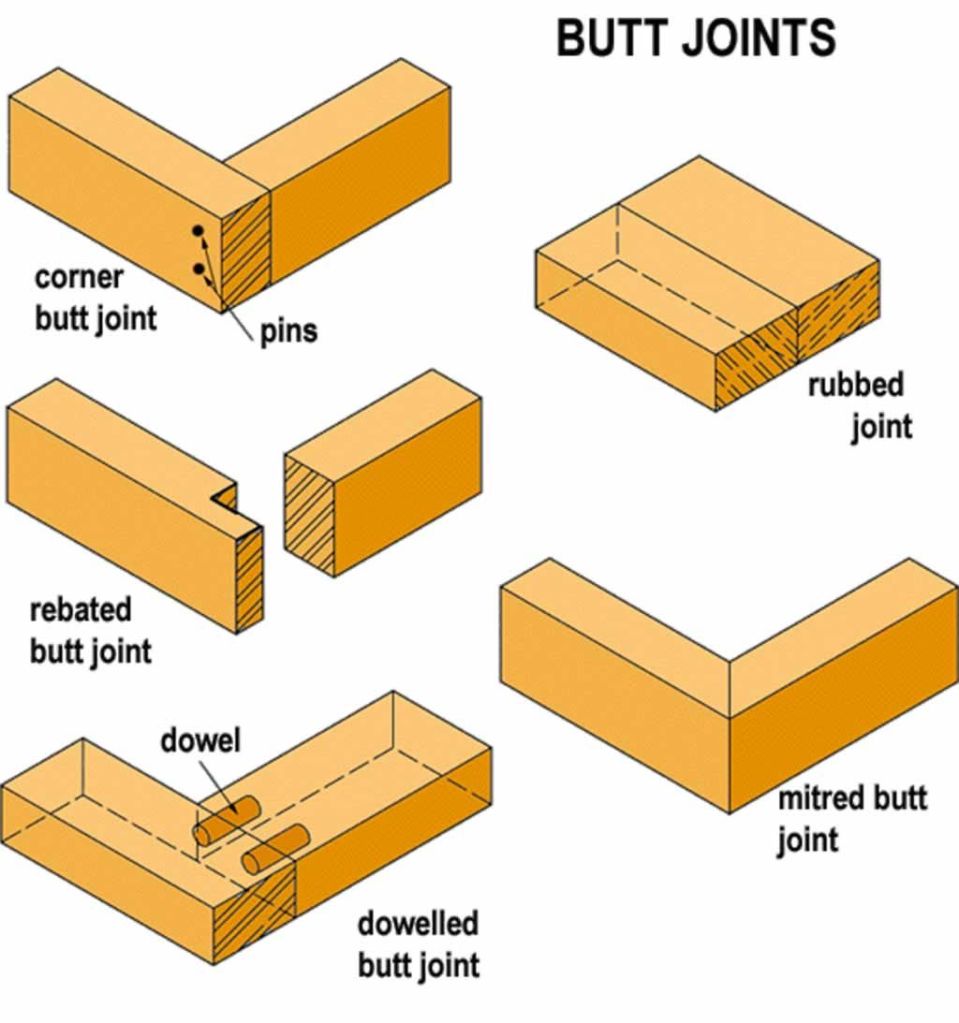
Beginners often try complex joinery or advanced techniques too soon, which leads to mistakes, frustration, and wasted time. Focus first on basic skills, such as:
- Straight cuts with a saw
- Sanding techniques for smooth surfaces
- Simple joints like butt joints and pocket holes
Practice Techniques:
- Use scrap wood to perfect cuts and joints.
- Recreate simple projects like a wooden crate or small shelf.
By mastering these basics, more complex projects will take less time and look professional.
6. Use Templates and Jigs
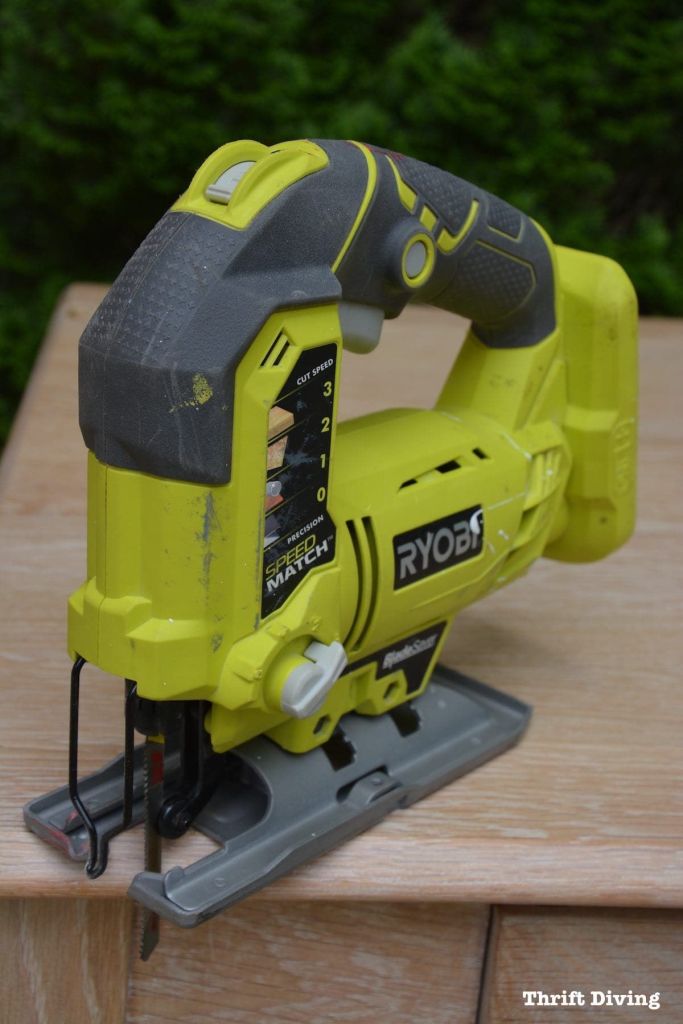
Templates and jigs are among the most powerful time-saving tools in woodworking. They ensure accuracy and repeatability for cuts, drill holes, and angles.
Common Jigs and Templates:
- Drill guides: For consistent hole placement
- Circle-cutting jigs: For perfect round cuts
- Pocket hole jigs: Fast and accurate joining of boards
Pro Tip: A simple homemade jig can save hours, especially if you’re making multiple identical pieces.
7. Batch Your Work
Batching tasks together is a simple but highly effective productivity method. Instead of completing one piece from start to finish before moving to the next, group similar tasks together.
Example Workflow:
- Cut all pieces for the project first
- Sand all pieces next
- Assemble all pieces afterward
- Finish all pieces at once
Batching reduces setup and cleanup time and keeps you focused on one type of task at a time.
8. Keep Your Blades and Bits Sharp
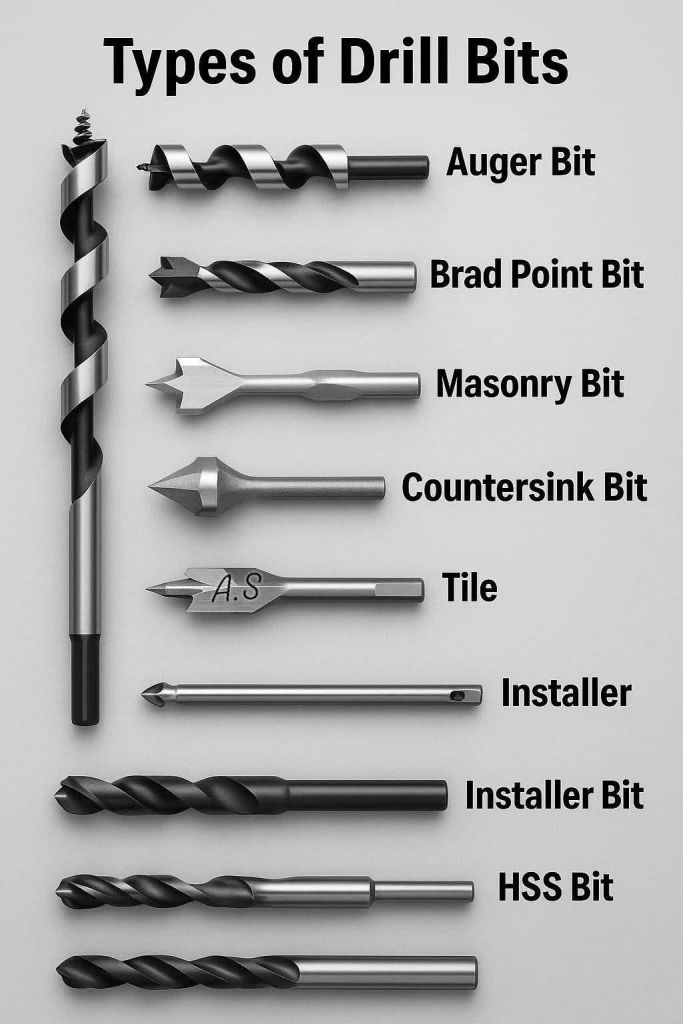
Dull blades and bits slow you down, create rough cuts, and increase sanding time. Regularly maintaining your tools is a massive time-saver.
Maintenance Tips:
- Sharpen saw blades and router bits regularly
- Clean and lubricate moving parts
- Store tools in a dry place to prevent rust
A sharp blade can make clean, precise cuts in seconds compared to struggling with a dull one.
9. Learn Quick Finishing Techniques
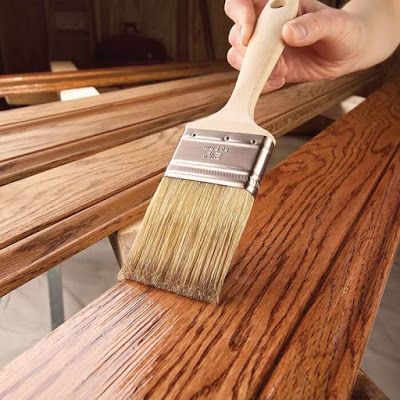
Finishing wood properly can take as long as building it if you’re not careful. Efficient finishing techniques save hours while giving a professional result.
Fast Finishing Methods:
- Spray finishes: Quick drying, even coverage
- Wipe-on polyurethane: Easy application, fewer coats
- Tack cloth dust removal: Prevents imperfections before finishing
Tip: Always practice on scrap wood to perfect your finishing technique and avoid mistakes on your main project.
10. Use Ready-to-Use Woodworking Plans
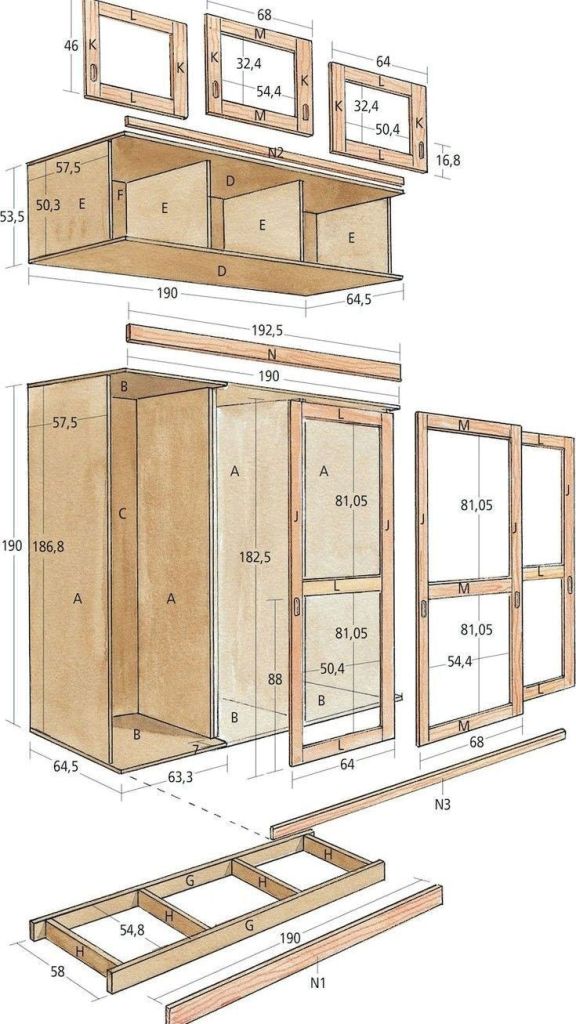
Beginners can save enormous amounts of time by following pre-made woodworking plans. Instead of guessing measurements, angles, and materials, plans provide step-by-step guidance for every project.
Recommended Resource:
Check out Ted’s Woodworking Plans, the largest collection of woodworking plans online. With over 16,000 plans for furniture, home decor, outdoor projects, and more, you’ll have access to detailed instructions and diagrams for projects of all skill levels.
Using ready-made plans not only saves time but also helps you avoid costly mistakes and ensures a professional-looking final product.
Bonus Tips for Beginner Woodworkers
1. Embrace Mistakes
Mistakes happen to everyone. Use them as learning opportunities instead of wasting time stressing. Every error teaches a skill that will save time on future projects.
2. Watch Tutorials
Online tutorials can cut your learning curve in half. You can see exactly how professionals handle tools and materials, which saves trial-and-error time.
3. Maintain a Routine
Set aside consistent woodworking hours. A focused routine improves efficiency and helps you get more done in less time.
Conclusion
Woodworking doesn’t have to be slow, frustrating, or confusing. By following these 10 time-saving tips, beginners can dramatically increase efficiency, reduce mistakes, and enjoy every project from start to finish. From planning in advance and investing in quality tools to batching tasks and using ready-to-use plans, working smarter is the key to success.
Start small, apply these strategies, and watch your woodworking skills—and speed—improve significantly. And remember, the right resources, like Ted’s Woodworking Plans, can save hours of work while ensuring professional results.
Affiliate Disclosure: Some links in this article are affiliate links. If you purchase a product through these links, I may earn a small commission at no extra cost to you. I only recommend products I trust and believe will add value to your woodworking projects.
Discover more from WoodReality
Subscribe to get the latest posts sent to your email.
 WoodReality