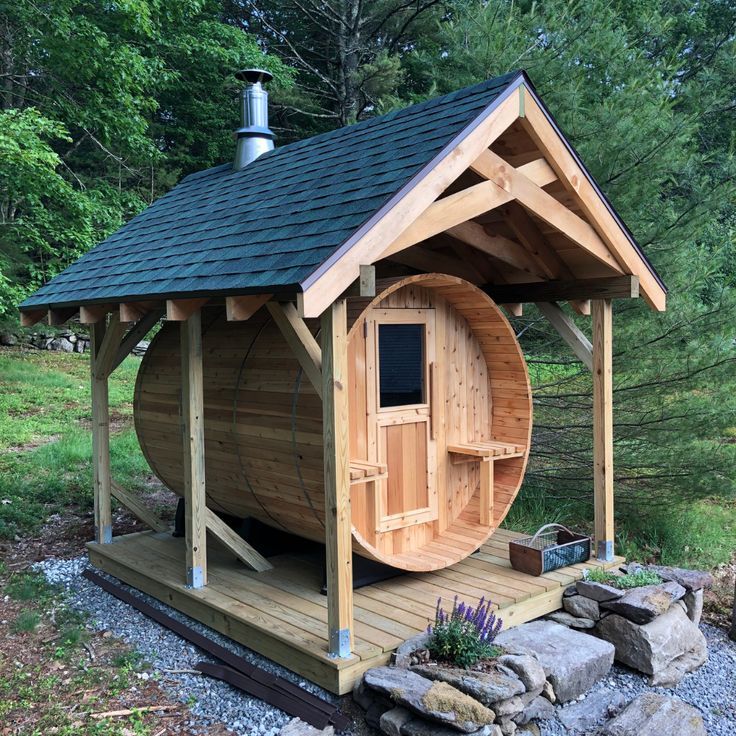
Introduction
Imagine coming home after a long day and stepping into your very own handcrafted wooden sauna. The warmth surrounds you, easing away stress, improving circulation, and providing an unmatched sense of relaxation. A sauna isn’t just a luxury—it’s an investment in your well-being.
However, buying a pre-made sauna can cost thousands of dollars. That’s where DIY sauna projects come in. By building your own wooden sauna, you save money, customize it to fit your space, and gain the satisfaction of constructing something with your own hands.
In this guide, we’ll explore 10 incredible DIY wooden sauna projects, breaking down their benefits, materials, and steps to help you create the ultimate relaxation space.
Why Build a DIY Wooden Sauna?
1. Cost Savings
A pre-built sauna can range anywhere from $3,000 to $10,000 or more. By choosing the DIY route, you can build a high-quality sauna for as little as $500 to $2,000, depending on the materials and size.
2. Customization Options
With a DIY sauna, you have complete control over its design, size, and features. Want a glass wall? Prefer a wood-burning heater over electric? Need a compact design to fit your small space? You decide every detail.
3. Personal Satisfaction
There’s nothing more rewarding than stepping into a sauna you built with your own hands. The sense of accomplishment and ownership enhances the overall experience.
4. Health Benefits
Saunas offer a variety of health benefits, including:
- Detoxification: Sweating helps remove toxins from the body.
- Stress Relief: The heat promotes relaxation and reduces stress.
- Improved Circulation: Sauna use increases blood flow and enhances cardiovascular health.
- Better Skin Health: The steam opens pores and promotes clearer skin.
10 Amazing DIY Wooden Sauna Projects
1. Traditional Indoor Sauna

A traditional indoor sauna is built inside a home, usually in a spare room, basement, or even a large bathroom. These saunas often feature an electric heater or infrared panels, making them easier to install and maintain than outdoor options.
Since they are indoors, they require proper insulation and ventilation to prevent moisture buildup, which could lead to mold or wood deterioration. Cedar wood is the most popular choice for indoor saunas because of its natural resistance to moisture and its pleasant aroma.
The biggest advantage of an indoor sauna is convenience—you can use it year-round without worrying about weather conditions. Plus, it’s easier to control the temperature compared to an outdoor wood-burning sauna. Check out this building guide on Etsy
2. Rustic Outdoor Log Sauna

If you love the idea of a sauna that looks like a cozy log cabin, the rustic outdoor log sauna is a perfect choice. Made from thick logs, this sauna blends beautifully with nature and provides a more authentic, traditional sauna experience.
Outdoor log saunas are often heated by a wood-burning stove, which gives off a pleasant aroma and provides a soft, even heat. The challenge with this design is ensuring the structure is well-insulated to withstand cold weather, especially in winter.
A log sauna requires a solid foundation to prevent shifting over time. It’s also essential to have proper ventilation and drainage to protect the logs from excessive moisture. With the right setup, this type of sauna can become the highlight of your backyard retreat.
3. DIY Barrel Sauna
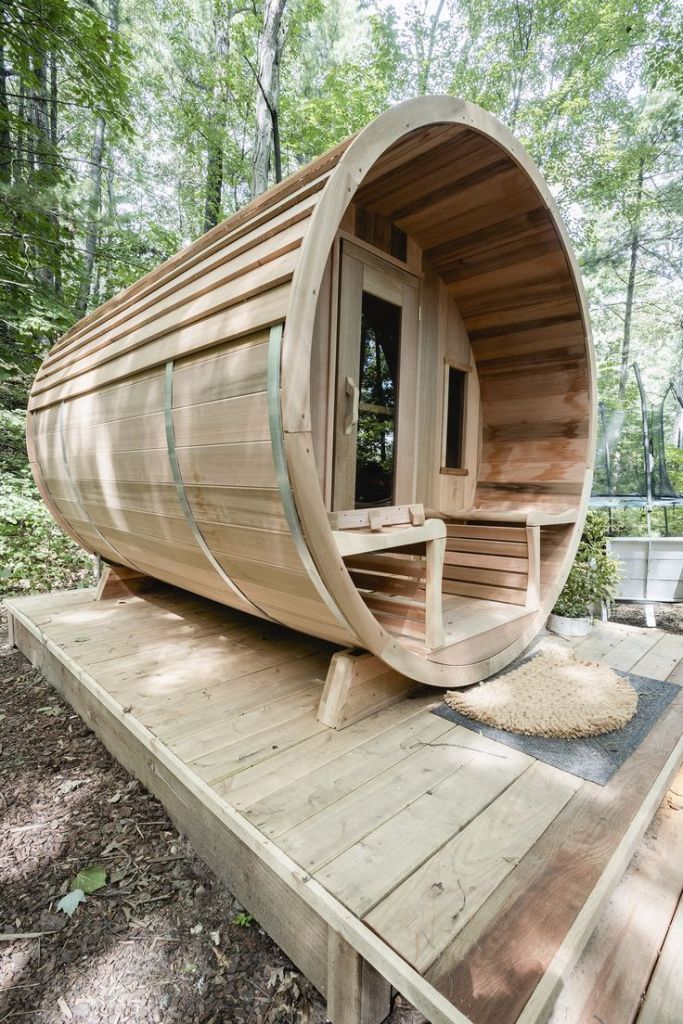
A barrel sauna is one of the most unique and visually striking DIY sauna options. As the name suggests, it features a cylindrical shape, which helps distribute heat more efficiently than traditional square or rectangular saunas.
The curved walls of a barrel sauna create a convection effect, ensuring that heat circulates evenly, preventing cold spots. These saunas are often built outdoors and can be heated with either an electric or wood-burning stove. (Check out these Barrel Sauna Plans on Etsy)
Barrel saunas are relatively easy to assemble and require fewer materials compared to a log sauna. They also take up less space, making them an excellent choice for small yards or patios.
4. Small Home Sauna for Compact Spaces
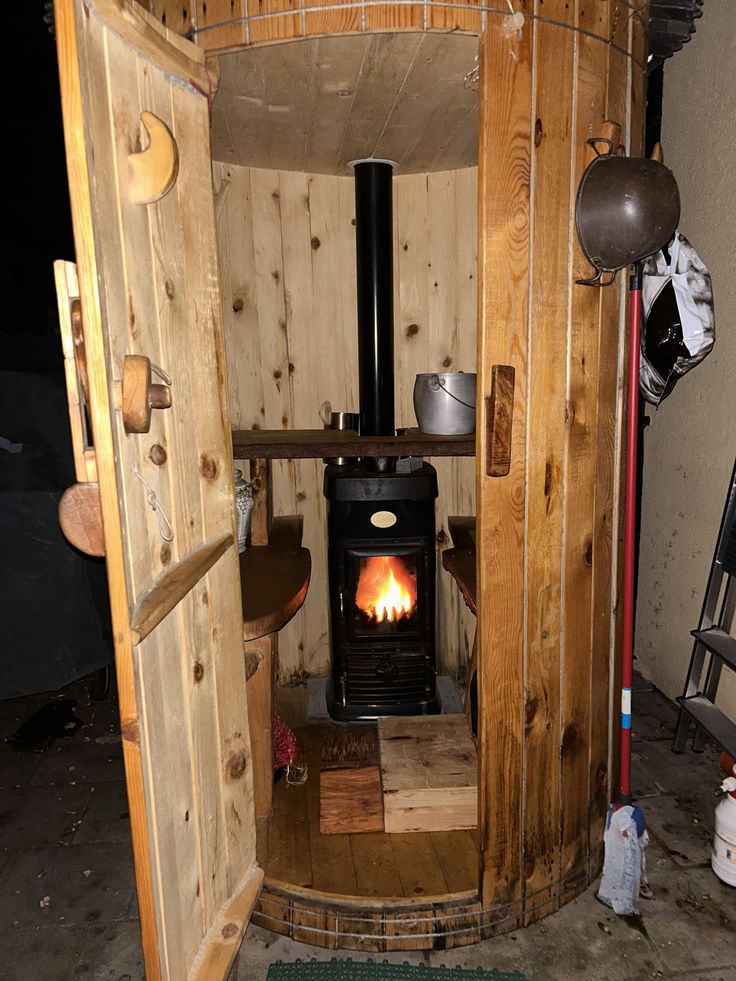
Not everyone has a large backyard or spare room to dedicate to a sauna. A small home sauna is designed to fit into compact spaces like a bathroom, closet, or corner of a basement.
These saunas usually feature infrared heating panels rather than traditional steam, making them easier to maintain and requiring less energy. The key to building a compact sauna is efficient design—multi-level benches and space-saving materials can help maximize comfort.
Although they’re smaller in size, these saunas still offer all the relaxation and health benefits of a full-sized sauna. If you live in an apartment or have limited space, this is a great option.
5. Infrared Sauna for Energy Efficiency
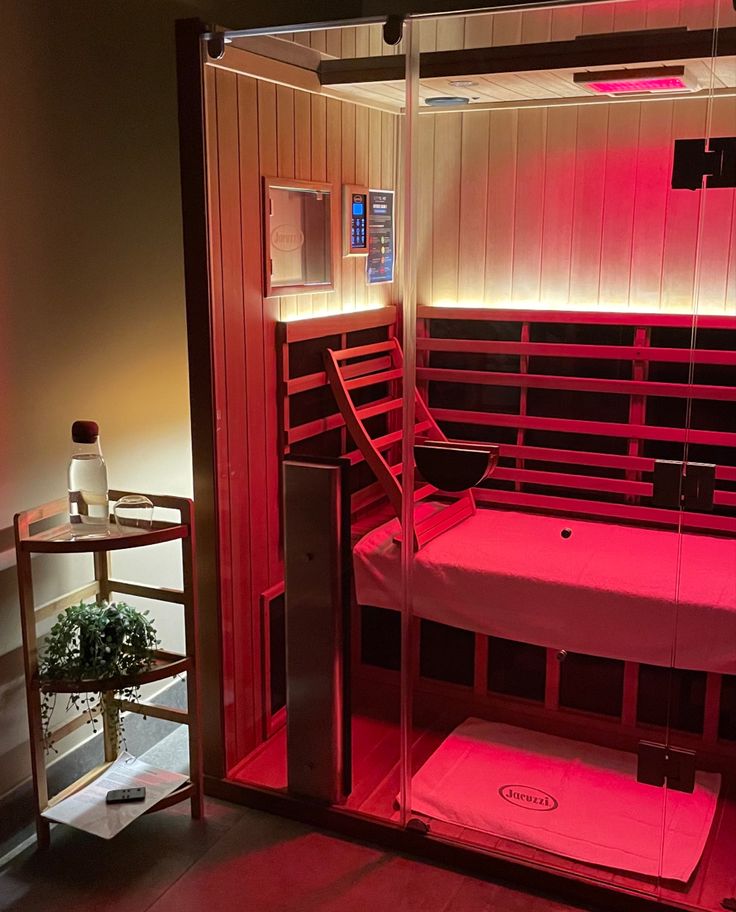
Infrared saunas are a modern take on traditional steam saunas. Instead of heating the air, they use infrared light to warm the body directly, making them more energy-efficient and effective for deep tissue relaxation.
These saunas are often easier to build because they don’t require a high-temperature-resistant heater or extensive insulation. They can be constructed using lightweight materials and typically include digital controls for temperature regulation.
Infrared saunas are ideal for people who want the benefits of a sauna without the high operating costs or maintenance associated with traditional steam saunas.
6. Wood-Burning Sauna for an Authentic Experience

A wood-burning sauna provides an old-school, traditional feel and is perfect for those who love the aroma of burning wood. These saunas use a wood-fired stove, which provides a rich, deep heat that feels more natural than electric heaters.
One challenge with wood-burning saunas is maintaining a steady temperature, as you need to tend to the fire periodically. However, the soft, even heat and crackling wood create an ambiance that electric or infrared saunas can’t match.
If you enjoy outdoor projects, this is one of the most rewarding saunas to build, as it connects you to nature while offering a deeply relaxing experience.
7. Portable Sauna for Travelers
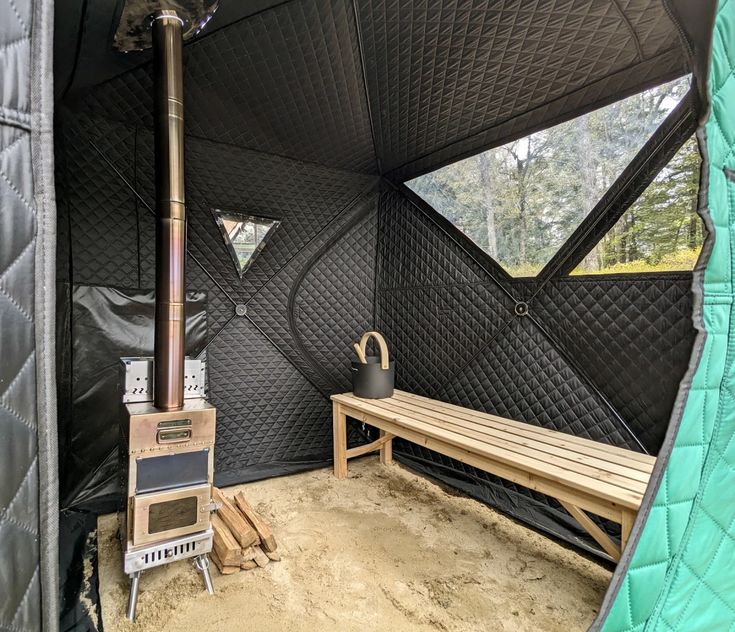
For those who are always on the go, a portable sauna is an excellent DIY option. These saunas can be built with lightweight, foldable materials, allowing them to be packed and transported easily.
A portable sauna is usually an insulated tent with a compact electric or infrared heater. While they don’t offer the same heat retention as wooden saunas, they’re a great way to experience sauna benefits anywhere. Shop on Etsy
8. Outdoor Sauna with a Hot Tub
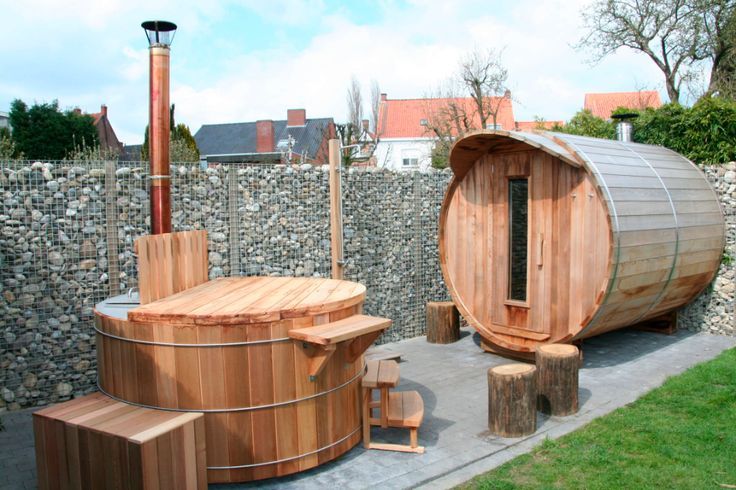
This is the ultimate backyard luxury—combining a sauna with a hot tub for the perfect relaxation experience. You can either build a sauna next to an existing hot tub or design a custom structure with both elements integrated.
The heat from the sauna helps warm your body before plunging into the hot tub, which enhances relaxation and improves circulation. While this project requires more space and a higher budget, it creates an at-home spa experience like no other.
9. Cabin-Style Sauna for Cozy Vibes
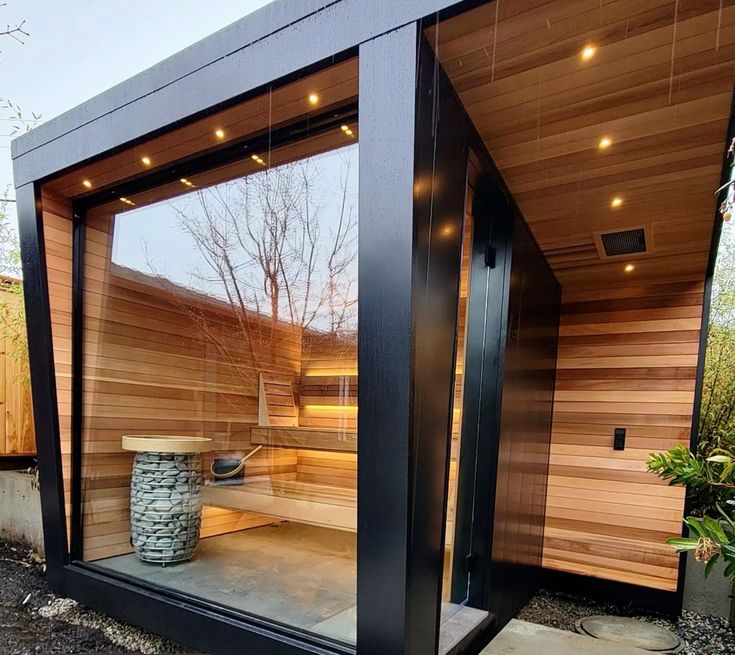
A cabin-style sauna is a blend of traditional and modern aesthetics, resembling a small cozy cottage. Built with natural wood, these saunas often feature large windows, allowing for scenic views while you relax.
This sauna design is perfect for those who want to create a warm, rustic ambiance in their backyard or near a lake cabin. Check out these plans on Etsy
10. Sauna with a Glass Wall for a Scenic View
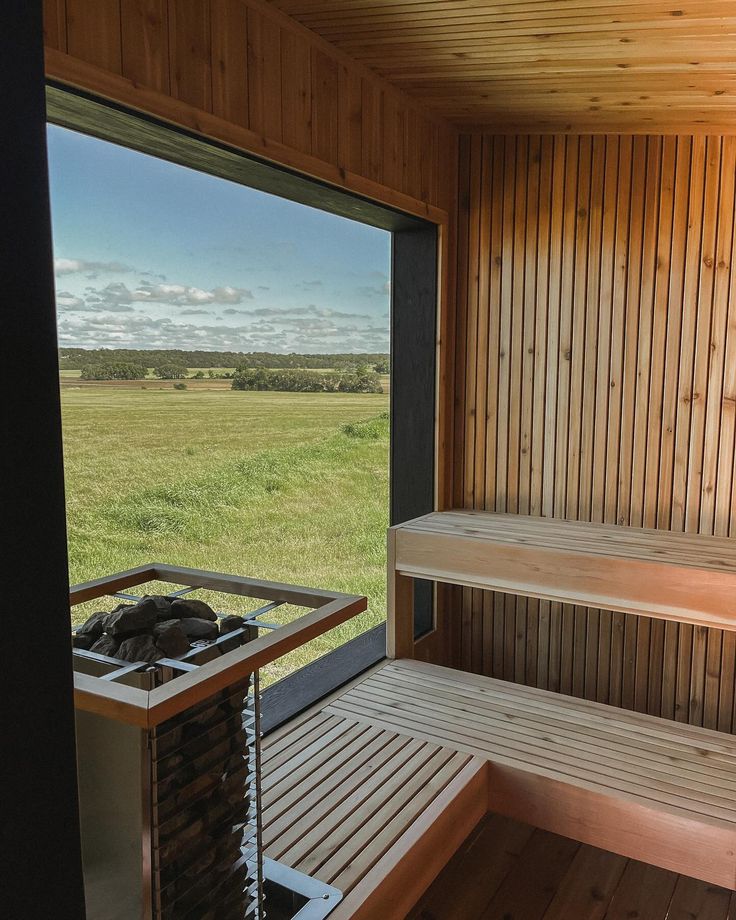
A sauna with a large glass wall allows you to enjoy breathtaking outdoor views while you relax inside. Whether it’s placed near a lake, forest, or mountain view, the glass wall enhances the experience by making the sauna feel more open and connected to nature.
This design requires special considerations for insulation and heating efficiency since glass doesn’t retain heat as well as wood. However, the stunning visual experience makes it a unique and rewarding project.
Step-by-Step Guide to Building a Simple DIY Wooden Sauna
Step 1: Choose the Perfect Location
- Indoor or outdoor?
- Consider ventilation, drainage, and accessibility.
Step 2: Construct the Frame and Insulation
- Use cedar wood for durability.
- Add insulation to retain heat.
Step 3: Install the Heater and Ventilation System
- Choose between electric, wood-burning, or infrared heating.
- Ensure proper ventilation to prevent overheating.
Step 4: Add Benches and Final Touches
- Build multi-level benches for seating.
- Add soft lighting and essential oils for an enhanced experience.
Where to Find more plans
Looking for step-by-step guidance? Check out Teds Woodworking Plans for detailed blueprints.
Safety Tips for Building and Using Your DIY Sauna
- Ensure proper ventilation to prevent carbon monoxide buildup.
- Use fire-resistant materials to minimize fire hazards.
- Regularly check for leaks or insulation issues to maintain efficiency.
Enhancing Your Sauna Experience
- Use essential oils like eucalyptus or lavender for aromatherapy.
- Play calming music or nature sounds.
- Incorporate chromotherapy lighting to set the mood.
Visual Guide
FAQs
1. How much does it cost to build a DIY wooden sauna?
The cost ranges from $500 to $5,000, depending on materials and features.
2. What is the best wood for a sauna?
Cedar, hemlock, and pine are the top choices due to their moisture resistance and durability.
3. Can I use my DIY sauna in winter?
Yes! Outdoor saunas are especially enjoyable in cold weather.
Affiliate Disclosure
This article contains affiliate links. If you purchase through these links, we may earn a small commission at no extra cost to you.
Discover more from WoodReality
Subscribe to get the latest posts sent to your email.

