
Introduction
Finish carpentry is the art of adding the final touches to a woodworking project, enhancing both its functionality and aesthetic appeal. This specialized skill involves installing trim, molding, and other decorative elements that complete a structure’s interior. Whether you’re a novice woodworker or looking to refine your craftsmanship, understanding finish carpentry can significantly elevate the quality of your projects.
What Is Finish Carpentry?
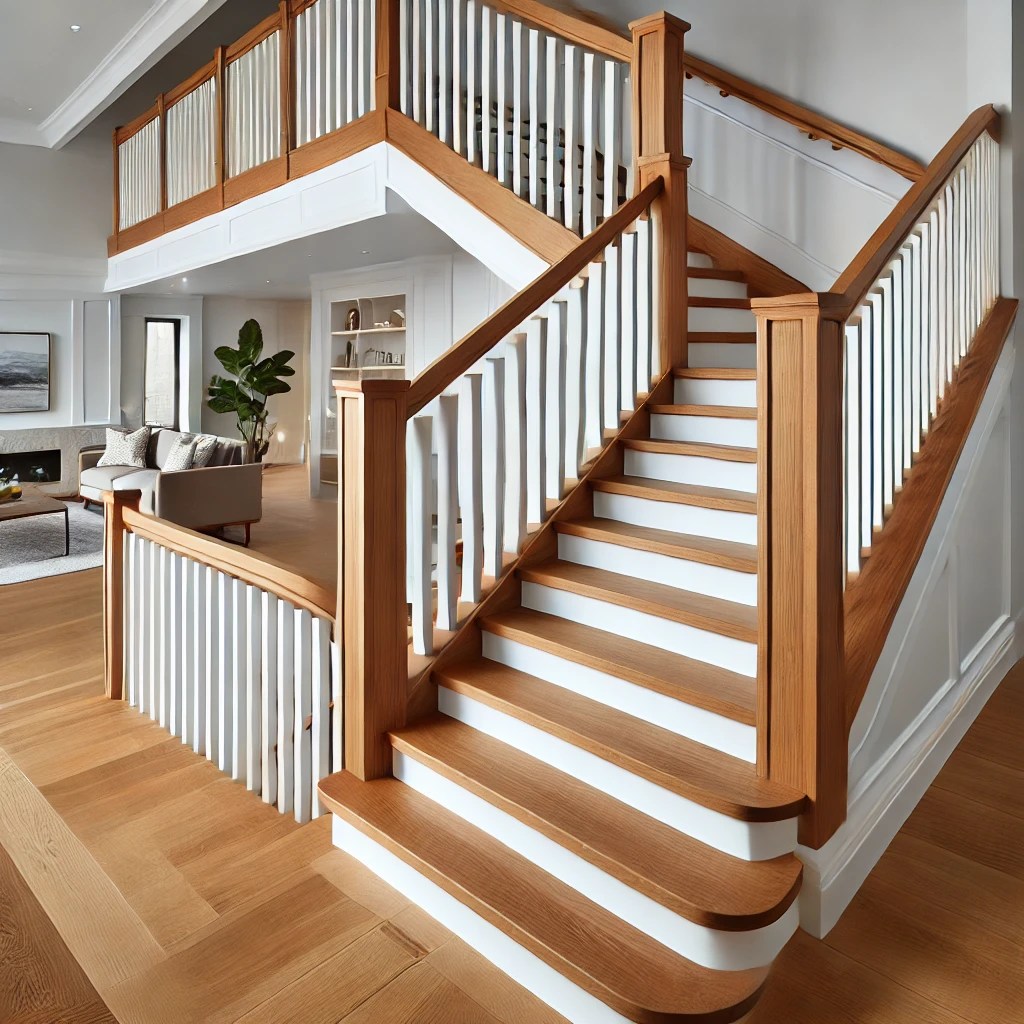
Finish carpentry encompasses tasks performed after the primary construction and structural carpentry are complete. It includes:
- Installing Baseboards and Crown Molding: These elements conceal gaps between walls and floors or ceilings, adding elegance to any room.
- Fitting Door and Window Casings: Proper casings enhance the visual appeal and ensure seamless transitions between different surfaces.
- Building Staircases and Railings: Attention to detail in these areas ensures safety and contributes to the overall design.
- Creating Custom Cabinetry and Shelving: Tailored storage solutions that fit perfectly within a space.
Essential Tools for Finish Carpentry
To achieve precision in finish carpentry, consider investing in the following tools:
- Miter Saw: For accurate angled cuts, essential for molding and trim work.
- Nail Gun (Finish Nailer): Speeds up the process of attaching trim without leaving noticeable marks.
- Measuring Tools: A reliable tape measure and combination square are vital for precise measurements.
- Chisels and Planes: For fine-tuning wood pieces to fit perfectly.
Techniques to Master
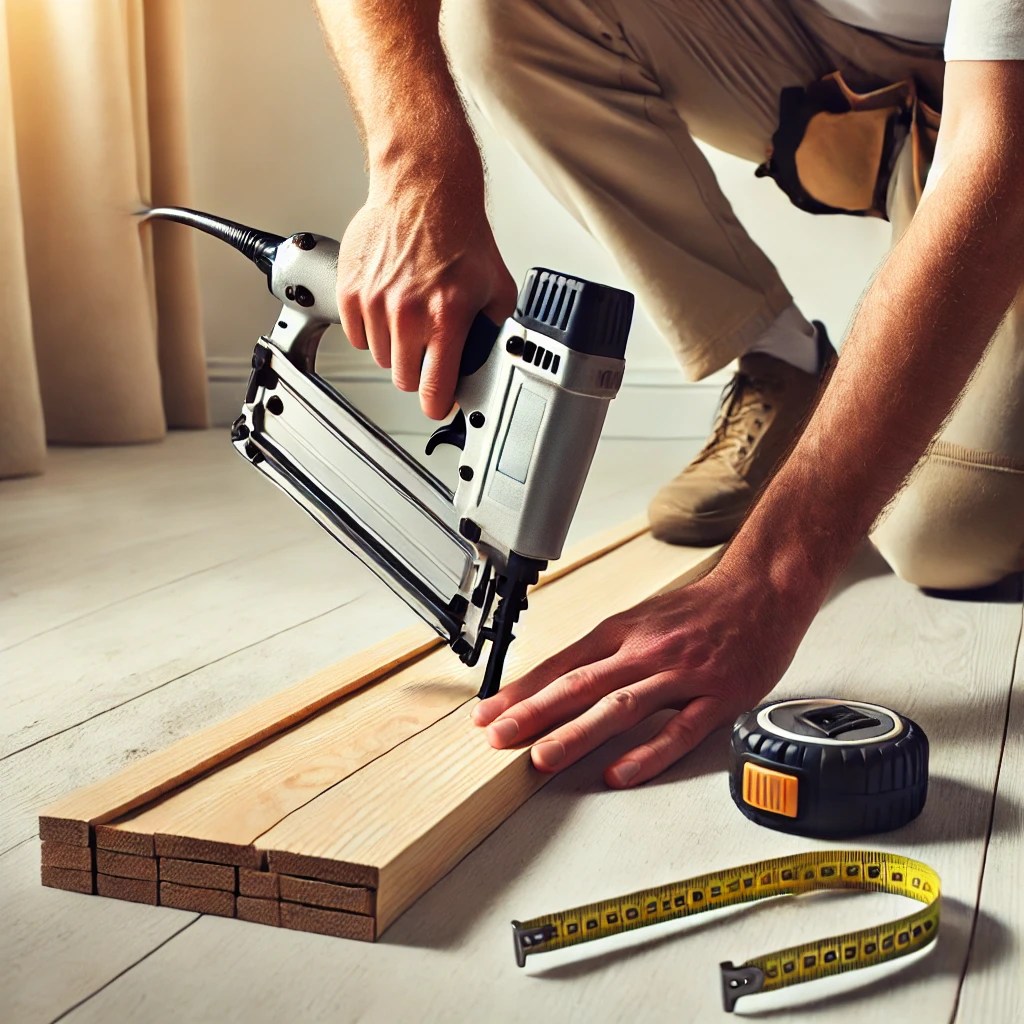
- Accurate Measuring and Cutting: “Measure twice, cut once” is the mantra to avoid material waste and ensure perfect fits.
- Seamless Joint Creation: Learn to create tight joints, such as miter and cope joints, for a polished appearance.
- Surface Preparation: Sanding and prepping surfaces before installation ensures a smooth finish.
- Proper Fastening Methods: Using the right nails and adhesives prevents splitting and ensures durability.
Benefits of Learning Finish Carpentry
- Enhanced Aesthetics: Well-executed finish carpentry adds sophistication and value to any project.
- Increased Property Value: High-quality finishes can boost a property’s market appeal.
- Personal Satisfaction: Completing the fine details yourself offers a sense of accomplishment and pride in your work.
Conclusion
Incorporating finish carpentry into your skill set allows you to transform basic structures into refined masterpieces. With practice and attention to detail, you can achieve professional-level results in your woodworking projects.
To further enhance your woodworking skills and access a comprehensive collection of over 16,000 woodworking plans, consider exploring Ted’s woodworking plans. These detailed plans can guide you through various projects, including those requiring finish carpentry techniques.
Note: Always prioritize safety by wearing appropriate protective gear and following best practices when working with woodworking tools.
This article may contain affiliate links, which means I may earn a small commission if you purchase through these links at no additional cost to you. These commissions help support this website and allow me to continue creating valuable content for readers like you. I only recommend products and services that I trust and believe will be helpful to you. Thank you for your support!
Discover more from WoodReality
Subscribe to get the latest posts sent to your email.


Pingback: Essential Woodworking Safety Tips for Beginners – WoodReality