Introduction
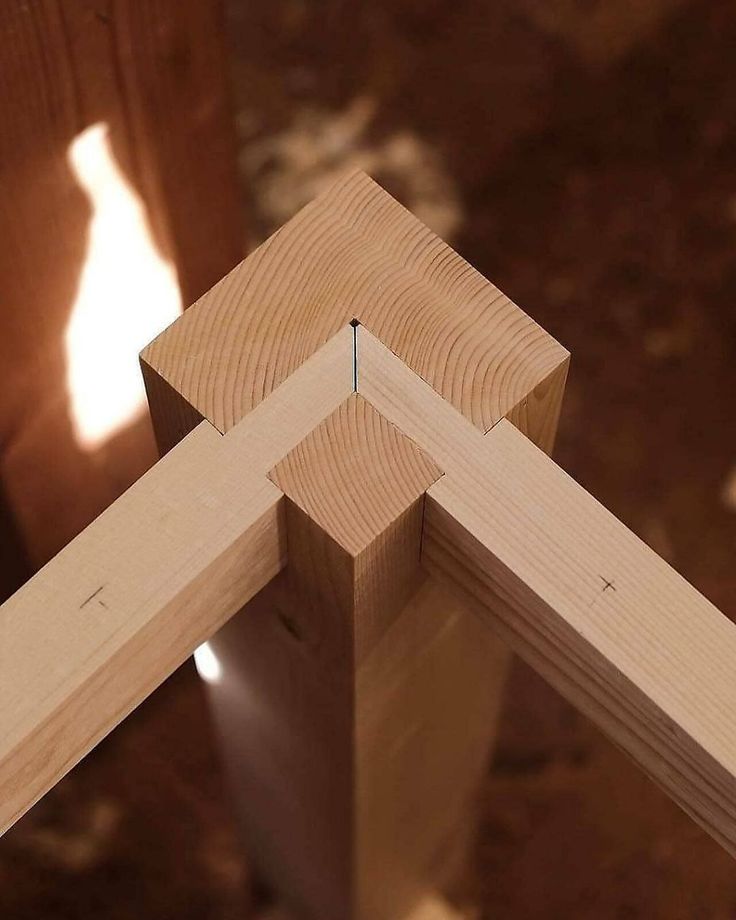
Japanese carpentry, renowned for its precision and elegance, has a rich history spanning centuries. This traditional craft is distinguished by intricate joinery techniques that forgo the use of nails or screws, resulting in structures celebrated for their durability and aesthetic beauty. In this article, we delve into the world of Japanese carpentry, exploring its unique methods, essential tools, and enduring influence on modern woodworking.
The Essence of Japanese Carpentry
At the heart of Japanese carpentry lies a profound respect for wood as a living material. Carpenters, known as daiku, meticulously select and work with wood, honoring its natural properties to create harmonious structures. This philosophy emphasizes sustainability and a deep connection between the craftsman and the material.
Key Techniques in Japanese Carpentry
- Joinery
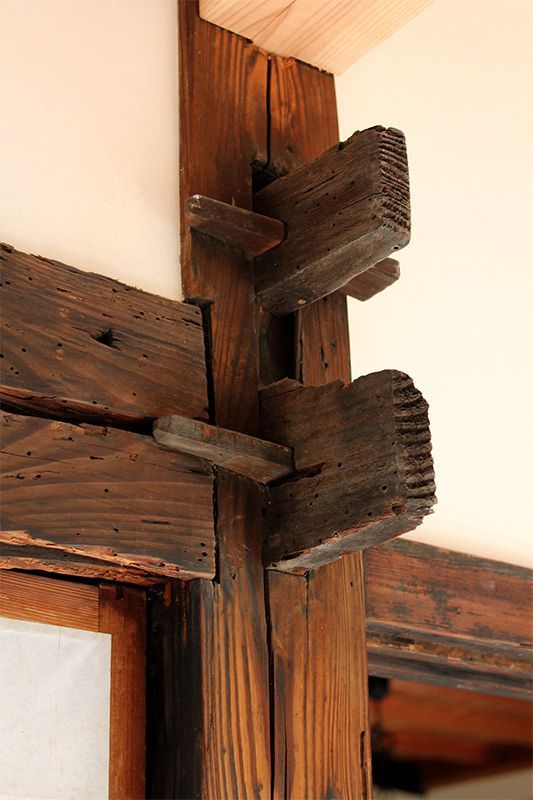
Japanese carpentry is famed for its complex joinery techniques, which involve interlocking wooden pieces without the need for metal fasteners. Notable joints include: - Wood Selection
Selecting the appropriate wood species is crucial. Common choices include Japanese cypress (hinoki), cedar (sugi), and pine (matsu), each valued for specific characteristics such as durability, aroma, and grain pattern. - Tool Mastery
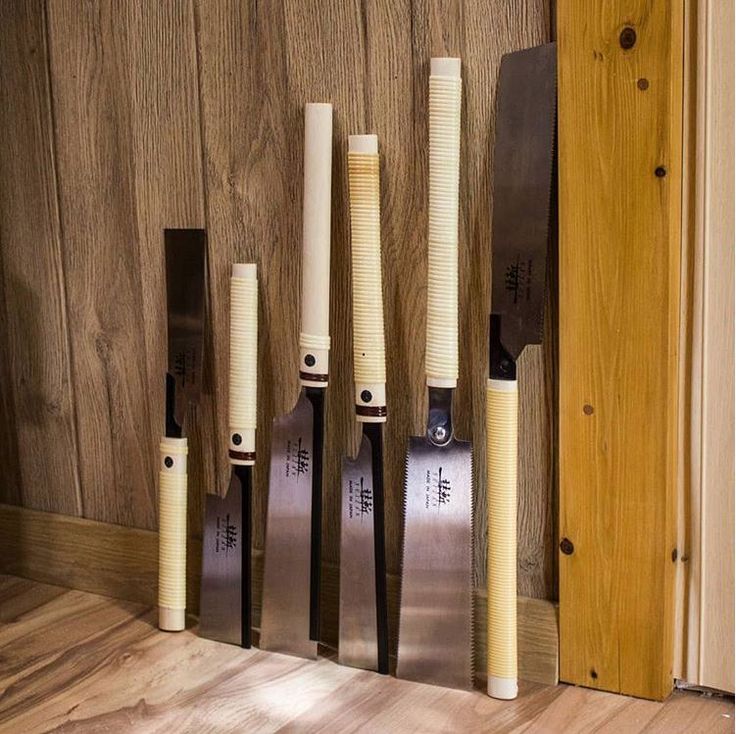
Traditional Japanese carpenters rely on a specialized set of tools, each crafted with precision to perform specific tasks. These include:- Kanna (Plane): A hand plane used to achieve ultra-smooth wood surfaces.
- Nokogiri (Saw): A pull saw designed for precise, clean cuts.
- Nomi (Chisels): Used for carving intricate joints and details.
- Sumitsubo (Ink Line Tool): A traditional tool for marking straight lines on wood.
- Mallets: Essential for driving chisels and assembling joints without damaging the wood.
Applications of Japanese Carpentry
- Temples and Shrines
Many iconic Japanese temples and shrines were constructed using traditional carpentry methods, showcasing intricate joinery and timeless design. - Residential Architecture
Traditional Japanese homes, known as minka, often feature tatami rooms, wooden beams, and sliding doors, all crafted with impeccable precision. - Furniture and Decor
From minimalist tables to intricately designed screens, Japanese carpentry techniques are widely applied in creating furniture and decorative pieces. - Garden Structures
Gazebos, bridges, and teahouses are commonly built using Japanese carpentry, blending seamlessly with nature.
The Influence of Japanese Carpentry on Modern Woodworking
Japanese carpentry has inspired modern woodworkers around the globe. Techniques such as precise joinery and minimalist design principles are increasingly adopted in contemporary furniture making, sustainable building practices, and DIY projects.
Learning Japanese Carpentry
If you’re captivated by this craft, there are several ways to begin your journey:
- Enroll in carpentry workshops or courses specializing in Japanese techniques.
- Study books and online resources to understand traditional methods.
- Start small with basic projects, such as making a simple Japanese-style box or stool.
Conclusion
Japanese carpentry is a testament to the harmonious blend of artistry, precision, and respect for nature. By exploring its techniques and principles, woodworkers can unlock a deeper appreciation for their craft and create timeless pieces that honor tradition while embracing modernity.
If you’re eager to enhance your woodworking skills, explore comprehensive woodworking plans that guide you through intricate projects step by step. We recommend Ted’s Woodworking Plans for a vast collection of blueprints, including projects inspired by Japanese craftsmanship. These plans are perfect for beginners and experts alike.
Disclosure: This article contains affiliate links, which means I may earn a commission at no extra cost to you. Thank you for supporting this site!
Discover more from WoodReality
Subscribe to get the latest posts sent to your email.
 WoodReality