Introduction
When I first stepped into the world of woodworking, I had no idea just how vast and specialized it could be. Among the many paths one can take, trim carpentry quickly caught my attention. This niche in carpentry focuses on installing and crafting finish elements that elevate the aesthetic appeal of a home. Over the years, I’ve honed my skills and learned valuable lessons that I’m excited to share with you. Whether you’re a beginner or looking to refine your craft, this guide will provide you with insights into the art of trim carpentry.
What Is Trim Carpentry?
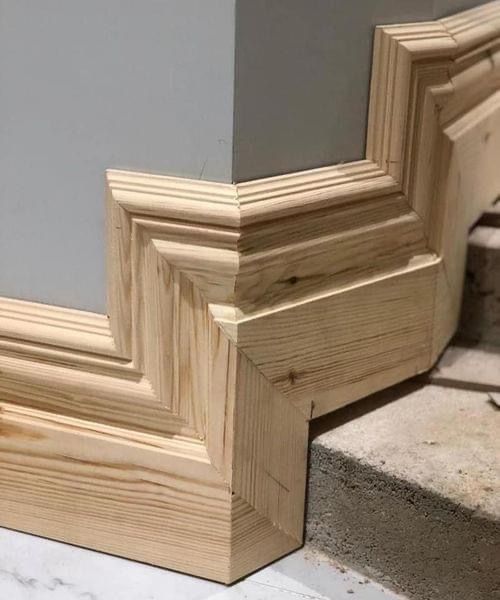
Trim carpentry is the practice of installing the finishing touches in a home—think baseboards, crown molding, window and door casings, and wainscoting. It’s what gives a room its polished, complete look. Unlike rough carpentry, which involves framing and structural work, trim carpentry requires precision, creativity, and an eye for detail. Every cut, angle, and measurement matters because even small imperfections can be glaringly obvious.
I’ve come to view trim carpentry as the artistry of woodworking. It’s about turning functional spaces into something beautiful. Each project is a chance to showcase craftsmanship and make a lasting impact.
My Path to Trim Carpentry
My journey into trim carpentry began somewhat accidentally. Like many woodworkers, I started with basic projects—a bookshelf here, a table there. But it wasn’t until I took on a home renovation project that I realized the transformative power of trim work. Adding crown molding to a plain room or installing elegant baseboards made the space feel entirely new.
I spent countless hours watching tutorials, practicing on scrap wood, and learning from seasoned carpenters. Mistakes were inevitable—I’ve measured twice and still cut wrong more times than I’d like to admit—but each error taught me something valuable. Over time, I developed the skills and confidence to tackle more complex projects.
Skills Every Trim Carpenter Needs
Becoming a skilled trim carpenter requires a combination of technical know-how and creative flair. Here are the key skills that have helped me succeed:
1. Precision and Attention to Detail
Trim carpentry is all about accuracy. Even the slightest miscalculation can lead to gaps or misaligned pieces. I’ve learned to measure multiple times and use high-quality tools to ensure every cut is perfect.
2. Understanding Wood Properties
Different types of wood behave differently. For example, oak is hard and durable but challenging to cut, while pine is soft and prone to dents. Knowing the properties of various woods has helped me choose the right materials for each project.
3. Tool Proficiency
A trim carpenter’s toolkit is essential. From miter saws to coping saws and nail guns, mastering these tools has been critical to my success. Practice and experience have made these tools feel like extensions of my hands.
4. Problem-Solving Skills
Every project presents unique challenges. Uneven walls, unconventional angles, or mismatched stains can test your ingenuity. Embracing these challenges as opportunities to learn has been a game-changer for me.
Essential Tools for Trim Carpentry
A well-equipped toolkit is a trim carpenter’s best friend. Here are the tools I use most frequently:
- Miter Saw: Perfect for making precise angled cuts, especially for crown molding and baseboards.
- Coping Saw: Ideal for intricate cuts and ensuring seamless joints.
- Nail Gun: Speeds up the process and ensures secure fastening.
- Measuring Tools: A reliable tape measure, combination square, and laser level are non-negotiables.
- Wood Glue and Clamps: For added stability and durability in joints.
Investing in high-quality tools has not only improved my work but also made the process more enjoyable.
Common Trim Carpentry Projects
Here are some of the most popular trim carpentry projects I’ve worked on:
- Crown Molding Installation: Adds elegance and height to a room.
- Baseboards: Protects walls from damage and provides a clean, finished look.
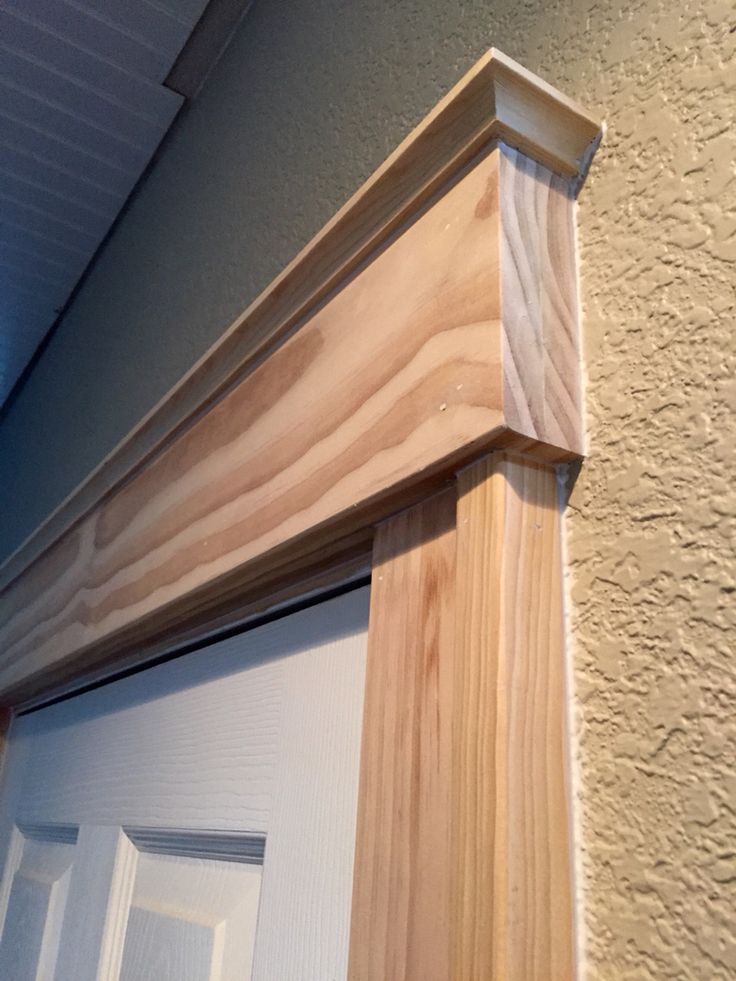
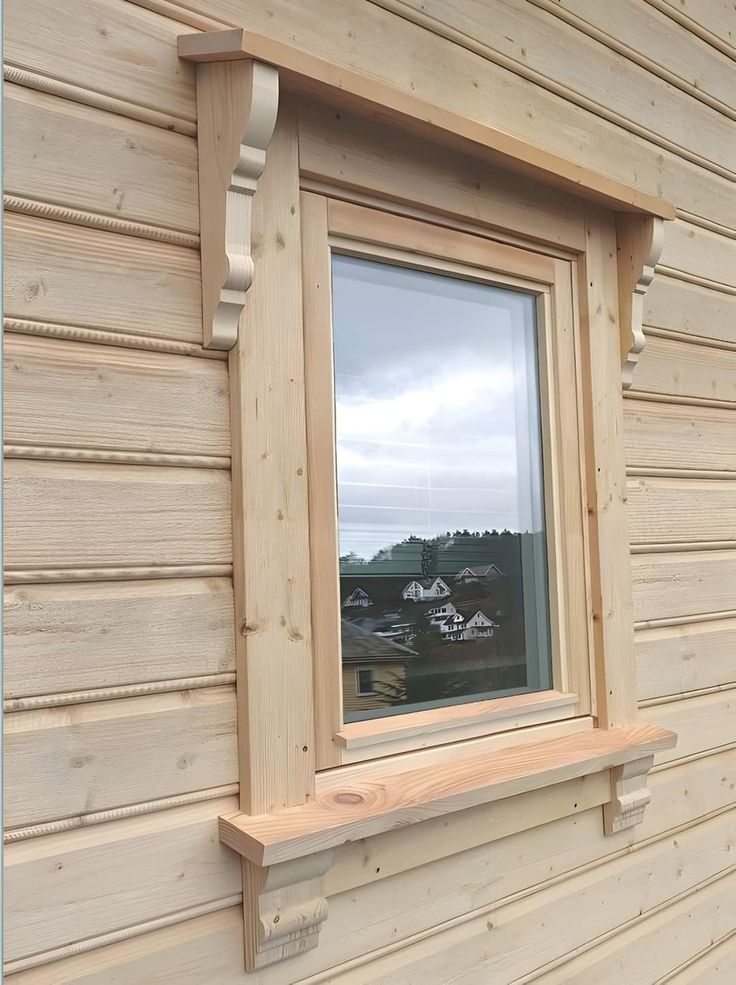
- Window and Door Casings: Frames openings and enhances architectural detail.
- Wainscoting and Paneling: Introduces texture and sophistication to walls.
Each of these projects requires planning, precision, and a keen eye for aesthetics. The satisfaction of completing them is unmatched.
Overcoming Challenges in Trim Carpentry
No project is without its hurdles. One of the most common issues I’ve faced is dealing with uneven walls or ceilings. To address this, I use shims and caulk to fill gaps and create a seamless appearance. Matching stain colors for repairs can also be tricky, but experimenting with different mixes on scrap wood has helped me achieve perfect matches.
Another challenge is working with tight deadlines. Balancing speed with quality is a constant juggling act, but careful planning and staying organized have made a significant difference.
Advanced Techniques in Trim Carpentry
As I gained experience, I began exploring more advanced techniques, such as:
- Mitered Returns: A polished way to end trim pieces, especially on open ends.
- Custom Profiles: Creating unique molding designs using a router.
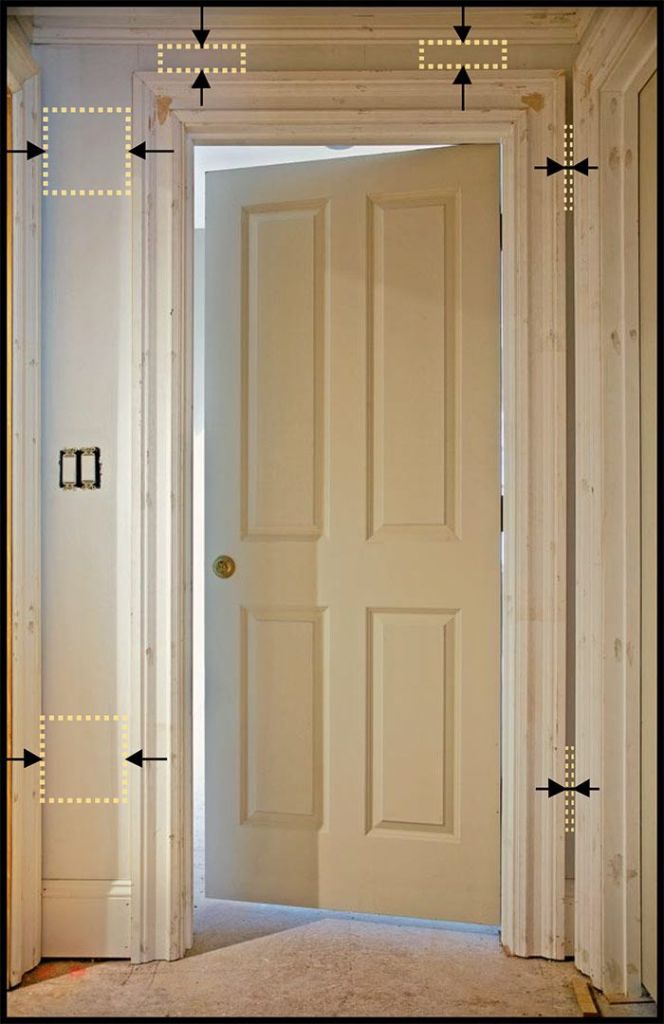
- Layered Trim: Combining multiple trim pieces for a more intricate and detailed look.
These techniques take time to master but are well worth the effort. They’ve allowed me to push the boundaries of what’s possible and deliver truly unique results.
Why Trim Carpentry Matters
Trim carpentry isn’t just about aesthetics; it’s about adding value to a home. Well-executed trim work can make a space feel cohesive, elegant, and high-end. It’s a craft that requires skill, patience, and a passion for detail—qualities that I strive to bring to every project.
Tips for Aspiring Trim Carpenters
If you’re interested in pursuing trim carpentry, here are a few tips to get started:
- Start Small: Practice on simple projects like baseboards before tackling more complex tasks.
- Learn from Others: Seek out experienced carpenters, attend workshops, or watch online tutorials.
- Invest in Quality Tools: Good tools make a significant difference in the quality of your work.
- Be Patient: Mastery takes time, so don’t rush the process.
Conclusion
Trim carpentry has been an incredibly rewarding journey for me. It’s a craft that combines technical skill with artistic expression, offering endless opportunities for growth and creativity. Whether you’re looking to enhance your home or start a woodworking career, I encourage you to explore the world of trim carpentry.
If you’re ready to elevate your woodworking skills, I highly recommend Teds Woodworking Plans. This comprehensive resource offers detailed plans and step-by-step instructions for projects of all sizes. Whether you’re a beginner or an experienced carpenter, these plans are an invaluable tool for achieving professional-quality results. Click here to get started today!
Discover more from WoodReality
Subscribe to get the latest posts sent to your email.

