Introduction
When I first started woodworking, I was overwhelmed by the sheer number of tools available. Walking into a hardware store felt like stepping into an entirely new world, full of saws, chisels, clamps, and power tools I didn’t even recognize. The truth is, you don’t need every tool in the store to get started with woodworking. You just need a solid foundation of essential tools that will allow you to tackle a wide variety of projects.
In this guide, I’ll walk you through the must-have woodworking tools for beginners, why each tool is important, and how you can use them to build stunning projects. Whether you’re looking to craft simple furniture, DIY home decor, or even work on pallet projects, having the right tools will make your woodworking journey enjoyable and successful.
Essential Hand Tools for Woodworking
Before investing in expensive power tools, it’s best to start with high-quality hand tools. Hand tools give you greater control, allow you to learn fundamental woodworking techniques, and are often more affordable than power tools. Here are some of the most important hand tools you’ll need:
1. Measuring and Marking Tools
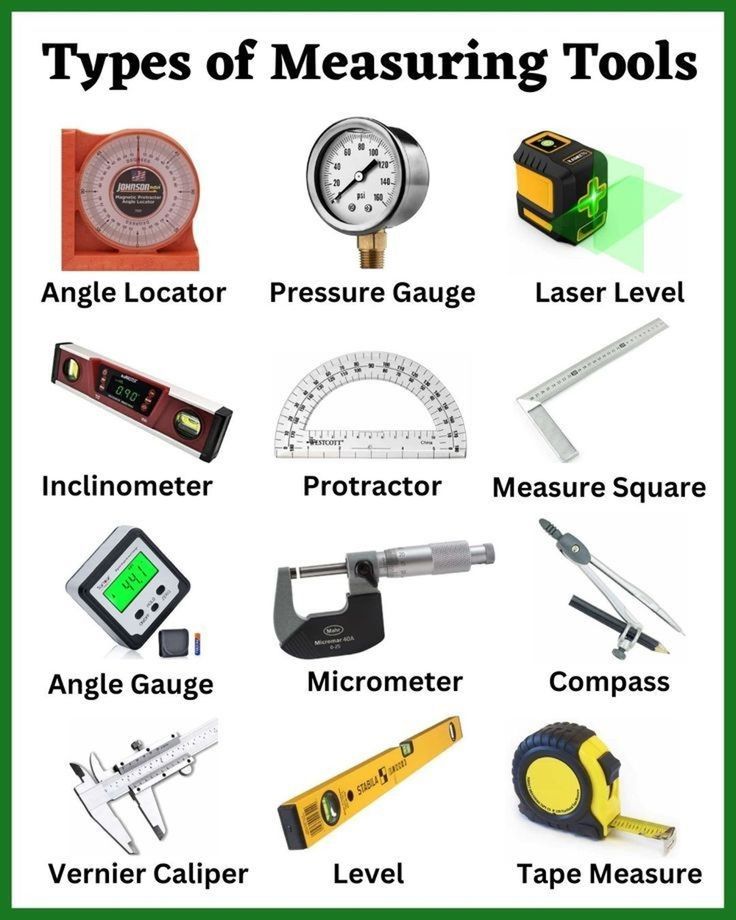
Accurate measurements are crucial in woodworking. Even being off by a millimeter can ruin a project. Here are the essential measuring and marking tools:
- Tape Measure – A flexible and retractable tool that allows you to measure materials accurately.
- Combination Square – Helps you mark straight lines and check for 90-degree angles.
- Marking Gauge – Used to scribe precise lines for cutting and joining wood.
- Pencil and Marking Knife – A simple carpenter’s pencil or marking knife ensures precise lines that don’t smudge.
2. Cutting Tools
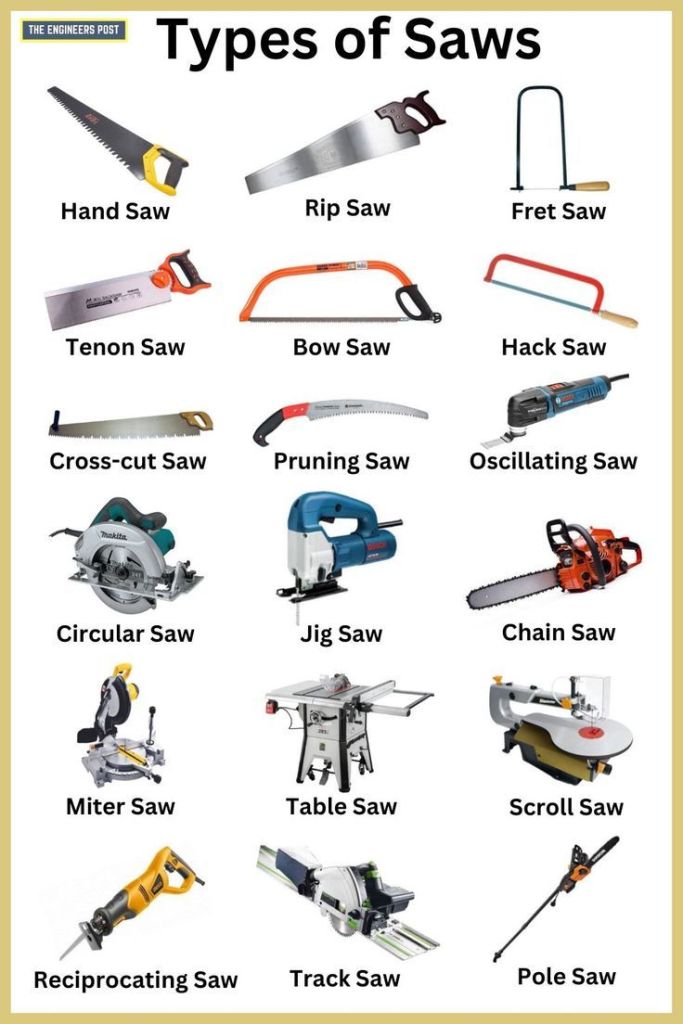
Cutting is a fundamental part of woodworking, and different tools serve different purposes:
- Handsaw – A basic yet essential tool that can handle straight cuts in wood.
- Chisels – Great for carving out joints, cleaning up edges, and making intricate cuts.
- Coping Saw – Perfect for detailed cuts, curves, and fine woodworking details.
3. Shaping and Smoothing Tools
To achieve a professional look in your projects, you’ll need tools that refine and smooth the wood:
- Block Plane – Helps smooth out edges and surfaces.
- Spokeshave – Used for shaping curved pieces of wood.
- Rasps and Files – Great for shaping wood quickly and efficiently.
4. Fastening Tools
Securing pieces of wood together is essential, and these tools make the job easier:
- Claw Hammer – A must-have tool for driving nails into wood.
- Screwdrivers – Used for driving screws in and out of wood.
- Wood Glue and Clamps – A strong adhesive paired with clamps ensures sturdy joints.
Essential Power Tools for Beginners
Once you’re comfortable with hand tools, you can move on to power tools. These tools increase efficiency and allow you to complete projects faster and with more precision.
1. Drills and Drivers
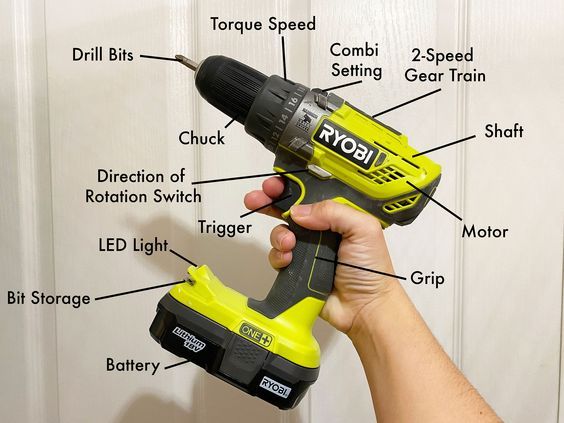
- Cordless Drill/Driver – Essential for drilling holes and driving screws with ease.
- Impact Driver – Useful for driving large screws and fasteners effortlessly.
2. Saws for Beginners
- Jigsaw – Ideal for cutting curves, circles, and intricate shapes.
- Circular Saw – A powerful and versatile tool for making straight cuts quickly.
- Miter Saw – Excellent for making precise angled cuts, useful for frames and molding.
3. Sanding Tools
- Random Orbital Sander – Smooths out wood surfaces efficiently.
- Belt Sander – Ideal for larger projects that require aggressive sanding.
4. Dust Collection
- Shop Vacuum – Helps keep your workspace clean and safe by collecting sawdust.
- Dust Mask or Respirator – Protects you from inhaling fine dust particles.
Setting Up Your First Woodworking Space
Now that you know the essential tools, it’s time to set up your workspace. You don’t need a massive shop—just a small, dedicated space where you can work comfortably.
1. Workbench
A sturdy workbench is the heart of any woodworking shop. If you don’t have one yet, consider building your own! Check out my guide on How to Build a Diy Workbench for an easy and affordable DIY workbench.
2. Tool Organization

Keeping your tools organized will save you time and frustration. Consider using:
- Pegboards
- Toolboxes
- Wall-mounted shelves
3. Lighting
Good lighting is crucial, especially when making detailed cuts. Invest in bright LED lights to illuminate your workspace.
Safety Gear Every Beginner Should Have
Woodworking can be dangerous without proper safety gear. Always prioritize your safety with the following:
- Safety Glasses – Protect your eyes from flying wood chips.
- Hearing Protection – Prevent long-term hearing damage when using loud power tools.
- Gloves – Protect your hands from splinters and cuts.
- Fire Extinguisher – A must-have in any woodworking shop to prevent accidents.
Recommended Video: Woodworking Tools for Beginners
To give you a better visual guide, here’s a great YouTube video explaining beginner woodworking tools:
Conclusion
Getting started in woodworking doesn’t have to be expensive or overwhelming. By focusing on these essential tools, you’ll be well-equipped to tackle a wide range of projects with confidence. Remember, start small, master the basics, and build your skills over time.
If you’re looking for step-by-step woodworking plans, I highly recommend Ted’s Woodworking Plans. These plans offer detailed instructions for hundreds of projects, perfect for beginners and advanced woodworkers alike.
Affiliate Disclosure
This article contains affiliate links. If you purchase through these links, I may earn a small commission at no extra cost to you. This helps support the site and allows me to continue creating valuable content for you. Thank you!
Now that you know what tools you need, what’s your first project going to be? Let me know in the comments!
Discover more from WoodReality
Subscribe to get the latest posts sent to your email.
 WoodReality