Introduction
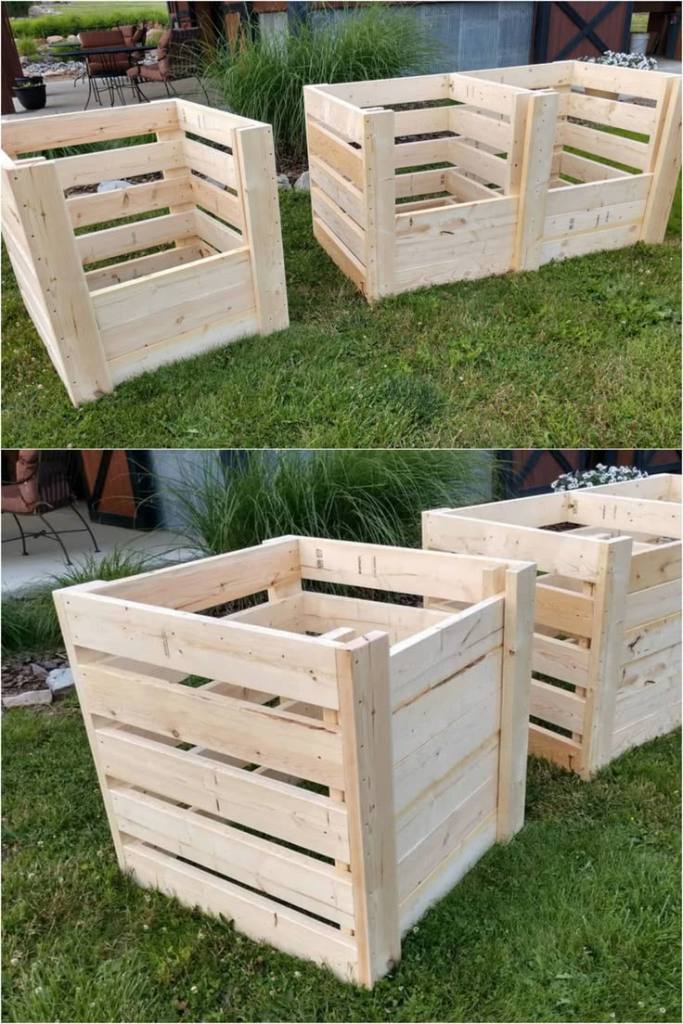
Hi there! If you’re reading this, chances are you’re interested in building your own wooden compost bin. Whether you’re passionate about woodworking, homesteading, or simply looking for a sustainable way to manage organic waste, this project is the perfect blend of functionality and creativity.I’ve always loved working with wood, and I’m equally passionate about reducing waste and living sustainably.
Building a wooden compost bin allowed me to combine these passions into one rewarding project. Not only did I save money by avoiding store-bought bins, but I also created something that fits perfectly into my backyard and meets my needs.In this guide, I’ll walk you through every step of the process, from planning and sourcing materials to assembling and maintaining your compost bin. Along the way, I’ll share tips, tricks, and insights I’ve learned to help you avoid common pitfalls and create a bin that lasts for years. Let’s get started!
Why Build Your Own Compost Bin?
Before diving into the details, let’s talk about why building your own compost bin is such a great idea:
- Cost Savings: Store-bought compost bins can be expensive, often costing $100 or more. By using reclaimed wood or affordable materials, you can build your own for a fraction of the cost.
- Customization: Every backyard is different, and so are everyone’s needs. Building your own bin allows you to customize its size, design, and features to fit your space and lifestyle.
- Sustainability: Using wood—especially reclaimed or untreated lumber—makes this project eco-friendly. Plus, composting itself is a fantastic way to reduce waste and enrich your garden soil.
- Skill Development: If you enjoy woodworking or DIY projects, building a compost bin is an excellent way to practice your skills while creating something practical and valuable.
Materials and Tools You’ll Need
Here’s everything you’ll need for this project:
Materials
- Wooden planks: Untreated wood like cedar or pine is ideal because it resists rot and is safe for composting.
- Screws or nails: Galvanized or stainless steel screws are best to prevent rust.
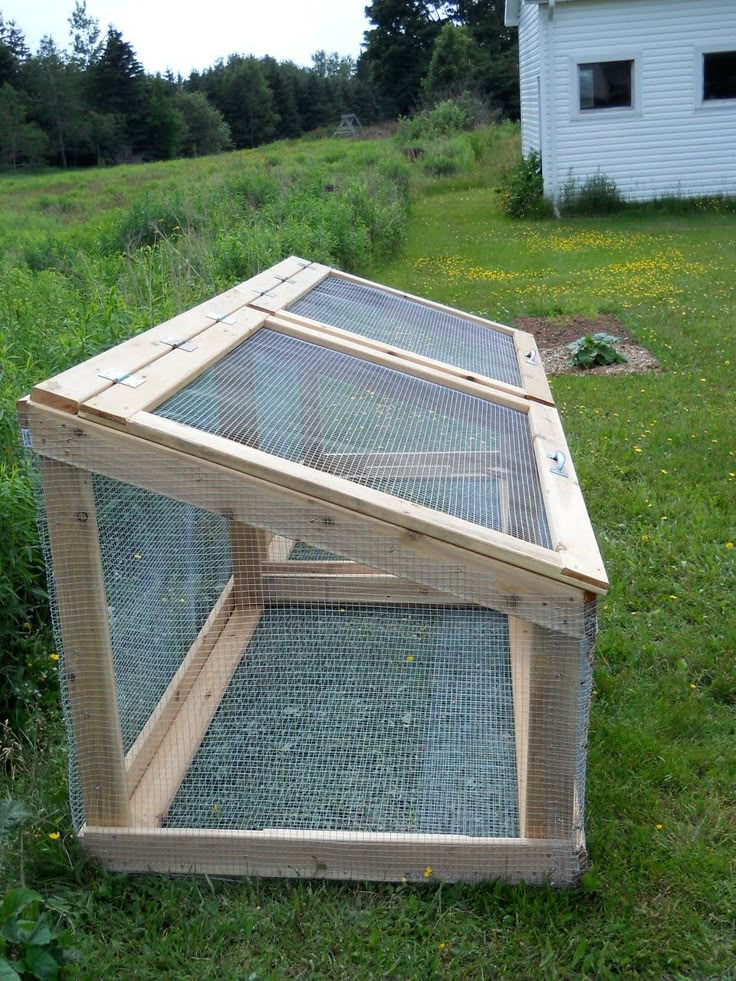
- Wire mesh or hardware cloth: For ventilation and pest prevention.
- Hinges: Optional if you want to add a lid or access doors (highly recommended).
- Wood stain or sealant: Optional for weatherproofing (ensure it’s non-toxic).
Tools
- Saw (hand saw, circular saw, or miter saw).
- Drill with screwdriver bits.
- Hammer (if using nails).
- Measuring tape (accuracy is key!).
- Sandpaper (to smooth rough edges).
- Level (to ensure everything is straight).
Step 1: Planning Your Design
Choosing the Size
The size of your compost bin will depend on how much organic waste you generate and the space available in your yard. A standard single-bin system is 3 feet wide, 3 feet deep, and 3 feet tall—large enough for efficient composting but small enough to manage easily.If you have more space or generate a lot of waste, consider building a multi-bin system with two or three compartments. This allows you to have one bin for fresh scraps, one for active composting, and one for finished compost ready to use in your garden.
Picking the Location
Choose a well-drained area in partial shade. Too much sun can dry out your compost pile quickly, while too much shade can slow down decomposition. Make sure the location is easily accessible—you’ll be adding scraps regularly and turning the pile every couple of weeks.

Sketching the Design
Before cutting any wood, sketch out your design on paper with dimensions and features like ventilation gaps and access doors. This blueprint will serve as a helpful reference throughout the project.
Step 2: Sourcing Your Materials
One of my favorite parts of this project was sourcing materials creatively! Here’s where I found mine:
- Reclaimed Wood: I got most of my wood from old pallets that were being given away at a local hardware store. Just make sure any pallets you use are heat-treated (look for the “HT” stamp) rather than chemically treated.
- Hardware Store: For anything I couldn’t find secondhand—like screws and hinges—I made a quick trip to my local hardware store.
- Wire Mesh: This was the only thing I had to buy new since it’s hard to find used hardware cloth in good condition.
Step 3: Building Your Wooden Compost Bin
Now comes the fun part—building! Here’s exactly how I put mine together:
Preparing the Wood
- Measure and Cut: Using my blueprint as a guide, I measured each piece of wood carefully before cutting it with my circular saw.
- Sand the Edges: To avoid splinters (and make handling easier), I sanded down all the edges.
- Optional Weatherproofing: Since cedar is naturally rot-resistant, I skipped this step—but if you’re using pine or another type of wood, consider applying a non-toxic sealant.
Assembling the Base
The base is what keeps everything stable, so take your time here:
- Lay out four planks in a square or rectangular shape.
- Secure them together with screws or nails.
- Use a level to make sure everything is even.
Building the Walls
- Attach vertical planks to form each side of the bin.
- Leave small gaps between planks (about ½ inch) for airflow.
- Reinforce corners with extra planks or metal brackets.

Adding Ventilation
To improve airflow:
- Attach wire mesh or hardware cloth to the sides using staples or screws.
- Make sure it’s tight enough to keep pests out but still allows air circulation.
Creating Access Doors
This step isn’t strictly necessary but makes turning and removing compost so much easier:
- Cut out sections on one side of the bin.
- Attach hinges at the top or side.
- Add handles for convenience.
Installing a Lid
If you want to keep rain out:
- Cut a wooden plank slightly larger than the top of your bin.
- Attach hinges on one side so it can open easily.
- Add a latch or hook to secure it when closed.
Step 4: Using Your Compost Bin
Once your bin is built, here’s how to get started:
- Alternate layers of green materials (e.g., fruit scraps) with brown materials (e.g., dry leaves).
- Turn the pile every 1–2 weeks using a pitchfork or shovel.
- Monitor moisture levels—it should feel like a wrung-out sponge.
Maintenance Tips
To keep your compost bin in good condition:
- Inspect regularly for signs of wear or damage.
- Clean out finished compost before starting a new batch.
- Treat wood annually with non-toxic sealant if exposed to harsh weather.
Read Also:
How to Build a Chicken Coop for Beginners: The Ultimate 2025 Guide
Additional Tips and Insights
To further enhance your composting journey, here’s a helpful video that shares some expert advice on optimizing your compost pile and troubleshooting common issues. Take a look!
If you’re looking for more woodworking projects like this one—or want access to thousands of detailed plans—I highly recommend checking out Teds Woodworking Plans! It’s an incredible resource filled with step-by-step instructions for projects of all sizes.
Disclosure: This article contains affiliate links, meaning I may earn a small commission at no extra cost to you if you purchase through these links.
Discover more from WoodReality
Subscribe to get the latest posts sent to your email.
 WoodReality
Pingback: DIY Potting Bench Plans: How I Built the Ultimate Garden Workspace – WoodReality