1. Introduction
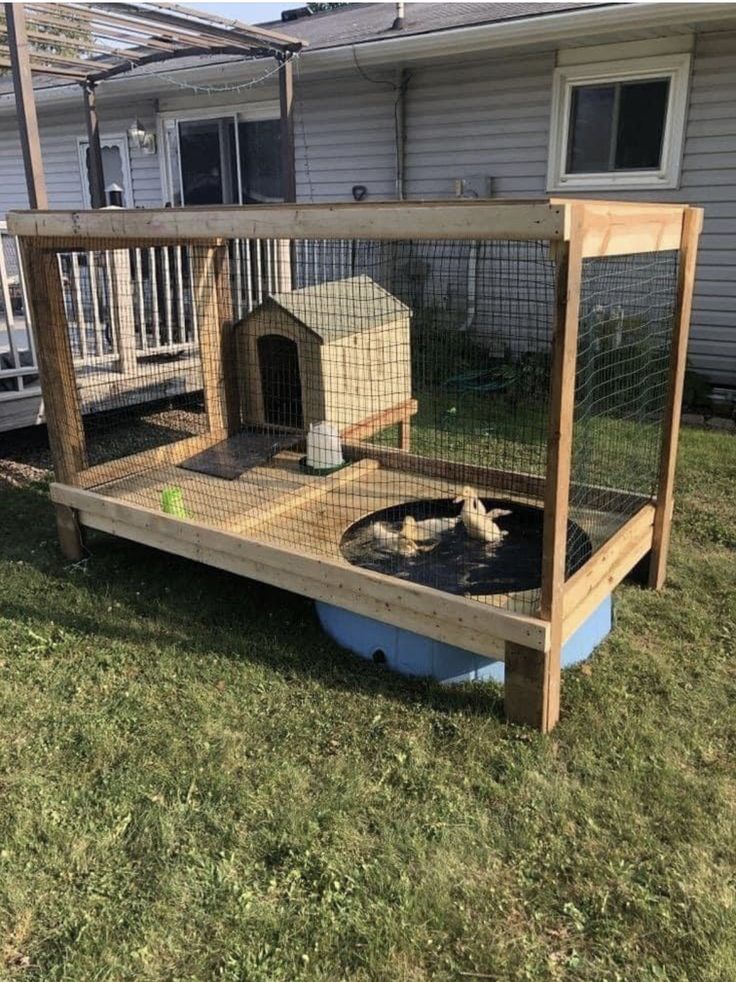
Embarking on the journey of raising ducks is both exciting and fulfilling. These charming birds not only provide eggs and pest control but also bring joy with their playful antics. A crucial aspect of duck husbandry is providing a safe and comfortable living space. Building your own duck coop allows you to tailor the design to your specific needs and ensures your feathered friends thrive.
2. Planning Your Duck Coop
Before picking up a hammer, it’s vital to plan your duck coop meticulously.
Determining the Number of Ducks
The size of your flock influences the coop’s dimensions. Whether you’re starting with a pair or a dozen, planning for potential expansion is wise.
Space Requirements per Duck
Ducks require ample space to remain healthy and content. According to Raising Ducks, each duck needs a minimum of 4 square feet in the coop if confined only at night. For larger breeds, 5 square feet per duck is recommended. If ducks are confined during the day, 12-15 square feet per duck is advisable.
Selecting the Ideal Location
Choose a well-drained area elevated to prevent flooding. Proximity to your home can deter predators and facilitate easy access for feeding and maintenance.
3. Designing the Duck Coop
An effective design combines functionality with comfort.
Essential Features
- Shelter: Protection from harsh weather conditions is paramount.
- Ventilation: Proper airflow prevents moisture buildup and respiratory issues.
- Access to Food and Water: Ensure easy access without causing spills that dampen bedding.
Ventilation and Insulation
Ducks produce moisture through respiration and droppings. Incorporate windows or vents to promote airflow. Insulating the coop maintains a stable temperature, crucial during extreme weather.
Predator-Proofing
Common predators include raccoons, foxes, and birds of prey. Reinforce the coop with sturdy materials and secure locks. Extending wire mesh below ground prevents digging predators.
4. Materials and Tools Needed
Gathering quality materials and the right tools sets the foundation for a durable coop.
List of Materials
- Pressure-treated lumber
- Plywood sheets
- Hardware cloth (½-inch mesh)
- Roofing materials (shingles or metal)
- Hinges and latches
- Screws and nails
- Paint or sealant
Required Tools
- Measuring tape
- Saw (circular or hand)
- Drill with bits
- Hammer
- Screwdriver
- Level
- Square
- Paintbrush
Estimating Costs
Costs vary based on size, materials, and local prices. On average, building a medium-sized coop for 4-6 ducks can range from $300 to $700. Salvaging materials or purchasing second-hand can reduce expenses.
5. Step-by-Step Construction Guide
Let’s delve into the construction process.
Preparing the Site
- Clear vegetation and debris from the chosen location.
- Level the ground to ensure stability.
Building the Base and Floor
- Construct a frame using 2×4 lumber.
- Elevate the base on concrete blocks to prevent moisture damage.
- Attach plywood flooring, ensuring it’s sturdy and smooth.
Constructing Walls and Roof
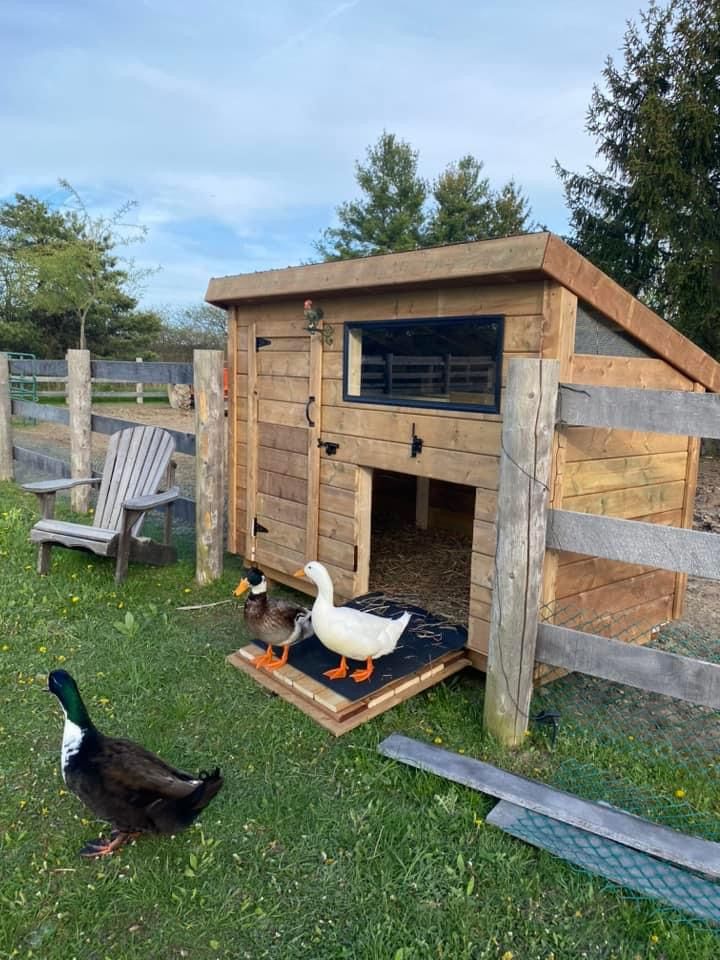
- Erect wall frames, incorporating openings for doors and windows.
- Sheathe the walls with plywood or siding.
- Design a sloped roof to facilitate water runoff.
- Install roofing material, ensuring it’s weather-resistant.
Installing Doors and Windows
- Fit doors with secure latches to prevent predator entry.
- Install windows with mesh screens to allow ventilation while keeping pests out.
Adding Nesting Boxes and Perches
- Install nesting boxes at a comfortable height, one for every 3-4 ducks.
- While ducks don’t roost like chickens, providing low perches or resting areas enhances comfort.
6. Creating the Duck Run
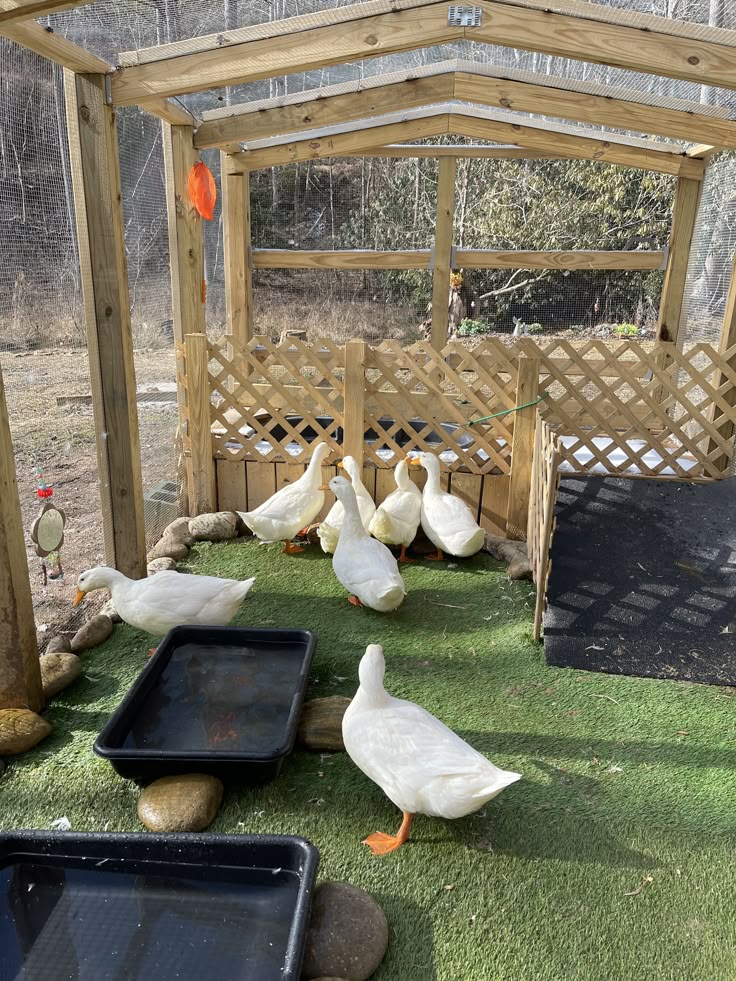
A well-planned duck run enhances the living space by providing an outdoor area where ducks can roam, forage, and exercise.
Importance of Outdoor Space
Ducks love to explore and need space to stretch their wings. An outdoor run allows them to behave naturally, reducing stress and promoting good health.
Fencing Options
To keep your ducks safe from predators, consider the following fencing materials:
- Hardware Cloth (Best Protection) – Small mesh prevents raccoons and weasels from squeezing through.
- Chicken Wire (Budget-Friendly) – Works for containing ducks but is weak against predators.
- Electric Fencing – Useful for deterring large predators like foxes and coyotes.
Providing Shade and Water Features
Ducks thrive with access to water. If a pond isn’t an option, provide a small kiddie pool. Shade structures, such as tarps or natural trees, protect them from overheating.
7. Blueprints and Plans
Finding a free blueprint for your duck coop can make the building process much easier. Here are some online resources where you can download free plans:
You can modify these plans based on your available space and budget.
8. Cost and Space Requirements
Below is a square graph detailing space and cost estimates based on the number of ducks.
| Number of Ducks | Minimum Coop Space (sq ft) | Minimum Run Space (sq ft) | Estimated Cost ($) |
|---|---|---|---|
| 2-3 Ducks | 10-15 sq ft | 30-45 sq ft | $150 – $300 |
| 4-6 Ducks | 20-30 sq ft | 60-90 sq ft | $300 – $700 |
| 7-10 Ducks | 35-50 sq ft | 100-150 sq ft | $500 – $1,000 |
| 10+ Ducks | 50+ sq ft | 150+ sq ft | $1,000+ |
Note: Costs vary based on materials, location, and whether you build or buy prefabricated parts.
9. Maintaining Your Duck Coop
Proper maintenance keeps your ducks healthy and the coop in great condition.
Cleaning Routines
- Daily – Refill clean water and check for any spills.
- Weekly – Remove soiled bedding, replace with fresh straw or wood shavings.
- Monthly – Deep clean the coop with a mild detergent.
Seasonal Considerations
- Winter – Provide extra bedding and ensure no drafts.
- Summer – Increase ventilation and provide plenty of fresh water.
Health Checks for Ducks
Watch for:
- Lethargy or loss of appetite
- Limping or foot injuries (bumblefoot)
- Signs of respiratory issues
10. Conclusion
Building a duck coop is a rewarding DIY project that ensures your ducks live in a safe, comfortable environment. By planning the right space, choosing the best materials, and maintaining the coop properly, you can raise happy and healthy ducks for years to come.
11. FAQs
1. How many ducks can I keep in my backyard?
Most urban and suburban areas allow 2-6 ducks, but check your local zoning laws.
2. What should I put on the floor of my duck coop?
Straw, hay, or wood shavings work best to absorb moisture and keep ducks comfortable.
3. How often should I clean the duck coop?
A light clean weekly and a deep clean monthly is recommended to maintain hygiene.
4. Can ducks live with chickens in the same coop?
Yes, but ducks require separate water sources and prefer sleeping on the floor rather than perches.
5. Do ducks need a pond?
No, but they need a water source deep enough to submerge their heads to clean their nostrils.
Watch a Video Guide: How to Build a Duck Coop
Read Also:
Get Professional Woodworking Plans!
Looking for detailed, easy-to-follow woodworking plans?
Check out Teds Woodworking Plans for over 16,000 blueprints to build the perfect duck coop and other DIY projects!
Affiliate Disclosure: This article contains affiliate links. If you purchase through them, I may earn a small commission at no extra cost to you.
I hope this guide helps you build the perfect duck coop! Have any questions? Drop a comment below! 🦆
Discover more from WoodReality
Subscribe to get the latest posts sent to your email.

