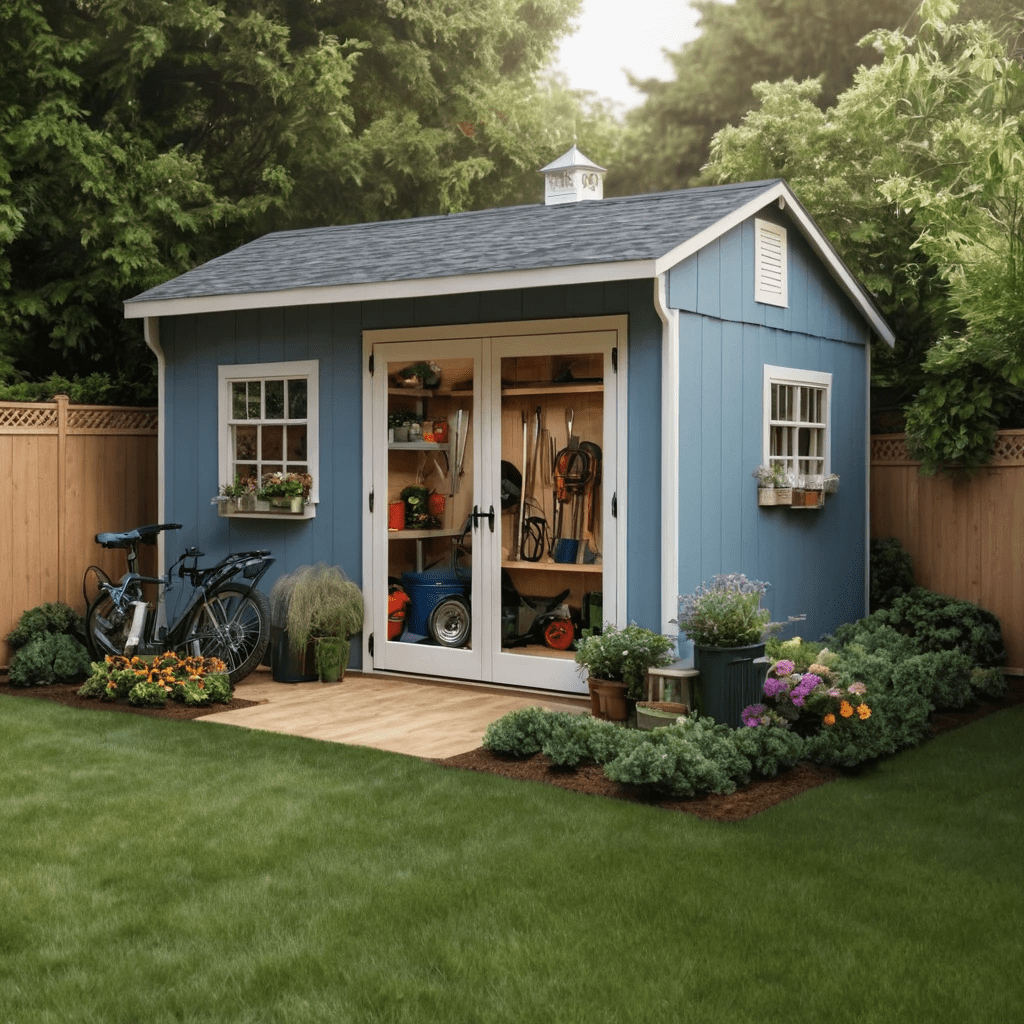
Building a backyard shed from scratch might sound like a daunting task, especially if you have little to no construction experience. However, with the right approach, affordable materials, and a willingness to learn, it’s entirely possible to construct a functional and attractive shed for under $200. In this comprehensive guide, I’ll walk you through every step of how I built a backyard shed on a tight budget, sharing practical tips, cost-saving strategies, and lessons learned along the way. Whether you’re looking to store garden tools, create a workspace, or add value to your property, this article will show you how to make it happen without breaking the bank.
Why Build a Backyard Shed?
A backyard shed offers countless benefits. It provides essential storage space for tools, lawn equipment, or seasonal items, keeping your garage or home clutter-free. It can also serve as a workshop, hobby space, or even a cozy retreat. According to a 2024 report from the National Association of Realtors, adding a shed can increase your property value by up to 1-2%, making it a worthwhile investment. For me, the motivation was simple: I needed a place to store my gardening tools and outdoor gear without spending thousands on a pre-built shed or hiring a contractor.
The challenge was to keep costs under $200 while creating a sturdy, weather-resistant structure. I had no prior carpentry experience, but with careful planning, resourcefulness, and some elbow grease, I made it happen. Below, I’ll share the exact steps I took, from planning and sourcing materials to completing the final touches, so you can replicate or adapt this process for your own shed.
Step 1: Planning Your Shed on a Budget
Define Your Shed’s Purpose and Size
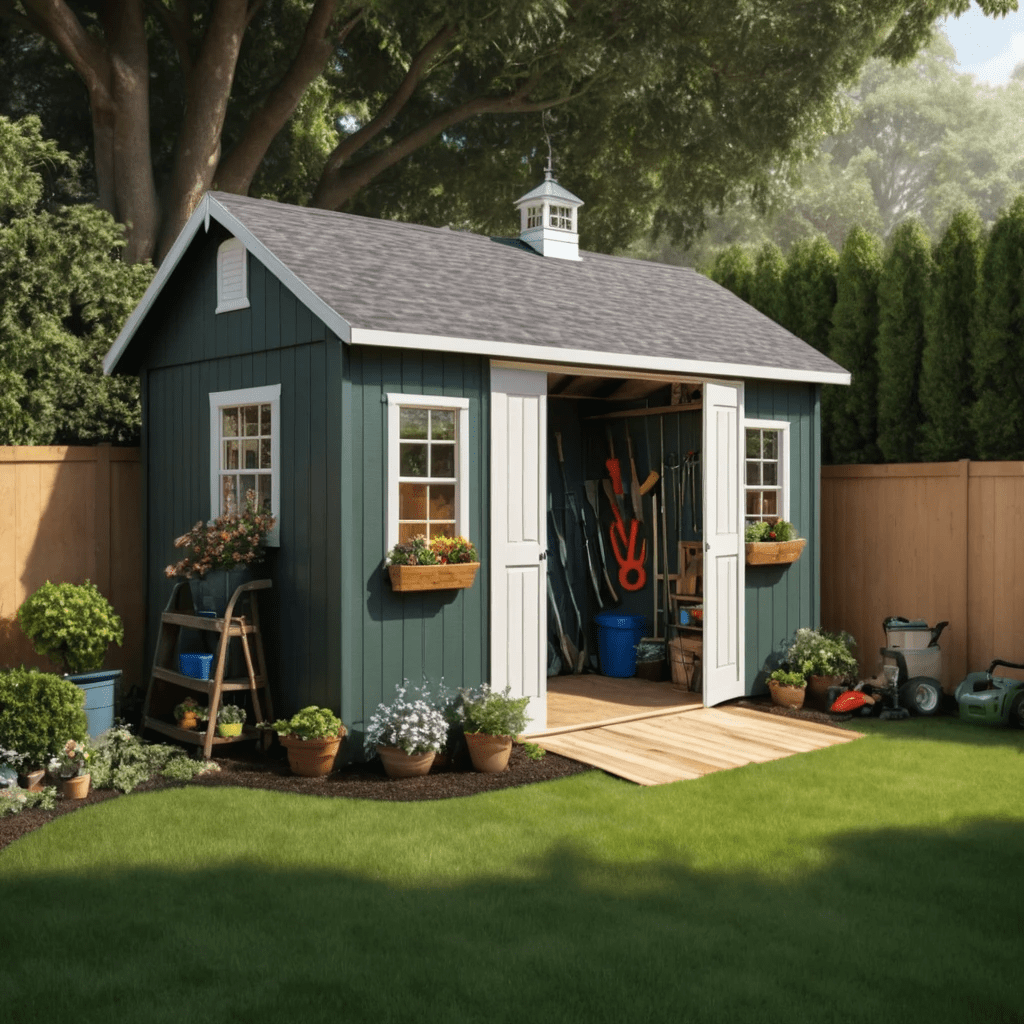
Before diving into construction, determine what you need the shed for. This will dictate its size, design, and features. For my project, I wanted a small shed (6×4 feet) to store gardening tools, a lawnmower, and some outdoor toys. A shed this size is manageable for a beginner and keeps material costs low.
Key considerations:
- Storage Needs: List the items you plan to store to estimate the required space. Add a little extra room for accessibility.
- Yard Space: Measure your backyard to ensure the shed fits without obstructing pathways or violating local zoning laws.
- Design Preferences: Decide on the shed’s style (e.g., lean-to, gable, or flat roof) based on aesthetics and functionality.
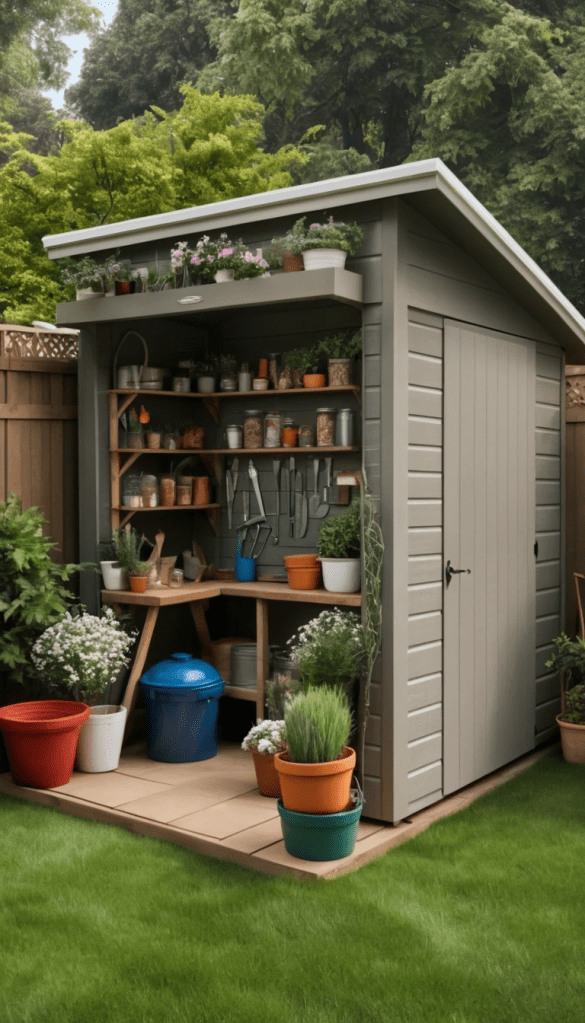
I chose a simple lean-to design because it’s easier to build and requires fewer materials than a gable or barn-style roof. A 6×4-foot shed with a sloped roof provided enough space for my needs while keeping the footprint small.
Check Local Regulations
Before building, check your local building codes and homeowner’s association (HOA) rules. In my area, sheds under 200 square feet typically don’t require a permit, but I confirmed this with my local zoning office to avoid fines. Some areas may have restrictions on shed placement, height, or foundation type, so do your homework early.
Create a Detailed Plan
A good plan is the backbone of any successful DIY project. I started by sketching a basic design on paper, noting the dimensions and key components (foundation, walls, roof, door). For detailed guidance, I turned to Ryan’s Shed Plans, a resource offering over 12,000 shed plans with step-by-step instructions. Their affordable plans include material lists and 3D diagrams, which were invaluable for a beginner like me. I selected a simple 6×4 lean-to plan that aligned_forest:
The plan outlined the materials needed and provided clear instructions, helping me avoid costly mistakes. Ryan’s Shed Plans also include tips for optimizing materials, which was crucial for staying under budget.
Set a Budget
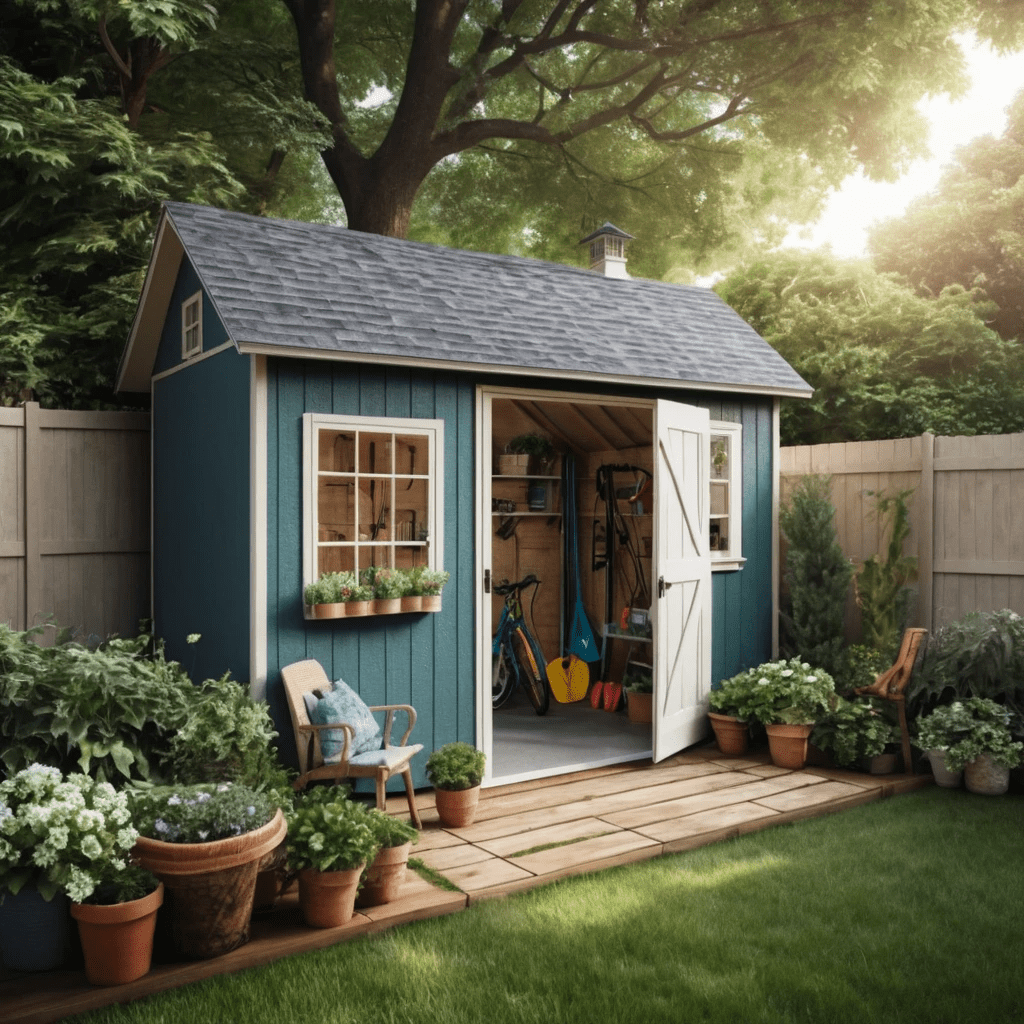
My goal was to keep costs under $200. To achieve this, I focused on using reclaimed or discounted materials and minimizing tool purchases. Here’s a breakdown of my estimated costs (detailed later):
- Lumber: $80 (reclaimed and discounted)
- Plywood: $50 (second-hand and budget options)
- Fasteners and Hardware: $30
- Roofing Materials: $20 (recycled materials)
- Miscellaneous (paint, sealant): $20
- Total: ~$180
By planning meticulously, I ensured every dollar was spent wisely.
Step 2: Sourcing Affordable Materials
Building a shed for under $200 requires creative sourcing. Here’s how I kept costs down:
Reclaimed and Discounted Lumber
Lumber is the biggest expense in shed construction. To save money, I sourced reclaimed wood from local construction sites, Craigslist, and community groups. Many people give away or sell used 2x4s, plywood, and pallets at low prices. I found a batch of slightly weathered 2x4s for $20 and a few sheets of plywood for $30 from a local salvage yard.
Tips for Finding Cheap Lumber:
Check Online Marketplaces: Websites like Craigslist, Facebook Marketplace, and Freecycle often have free or cheap building materials.
Visit Salvage Yards: Architectural salvage yards sell reclaimed wood at a fraction of retail prices.
Ask Contractors: Local contractors may have leftover materials they’re willing to sell or donate.
Inspect Thoroughly: Ensure reclaimed wood is free of rot, mold, or significant damage.
Plywood and Siding
For the walls and floor, I used ½-inch plywood, which is affordable and sturdy enough for a small shed. I purchased two slightly damaged sheets from a home improvement store’s discount section for $25 total. For the exterior, I used reclaimed wooden panels from an old fence, which I got for free from a neighbor.
Roofing Materials
A weather-tight roof is essential, but new roofing materials can be expensive. I opted for corrugated metal panels salvaged from a local scrap yard for $15. These panels are durable, lightweight, and easy to install. Alternatively, heavy-duty tarps or recycled asphalt shingles can work for a budget roof.
Fasteners and Hardware
Nails, screws, and hinges were my main hardware expenses. I spent $30 on a bulk pack of 3-inch wood screws, 2-inch nails, and a pair of basic hinges for the door. To save money, I reused old screws and nails from dismantled pallets.
Tools
Since I had no experience, I didn’t own many tools. I borrowed a circular saw, hammer, and level from a friend and purchased a used jigsaw for $15 on Craigslist. If you don’t have access to tools, consider renting from a local hardware store to keep costs low.
Step 3: Preparing the Site
Choosing the Location
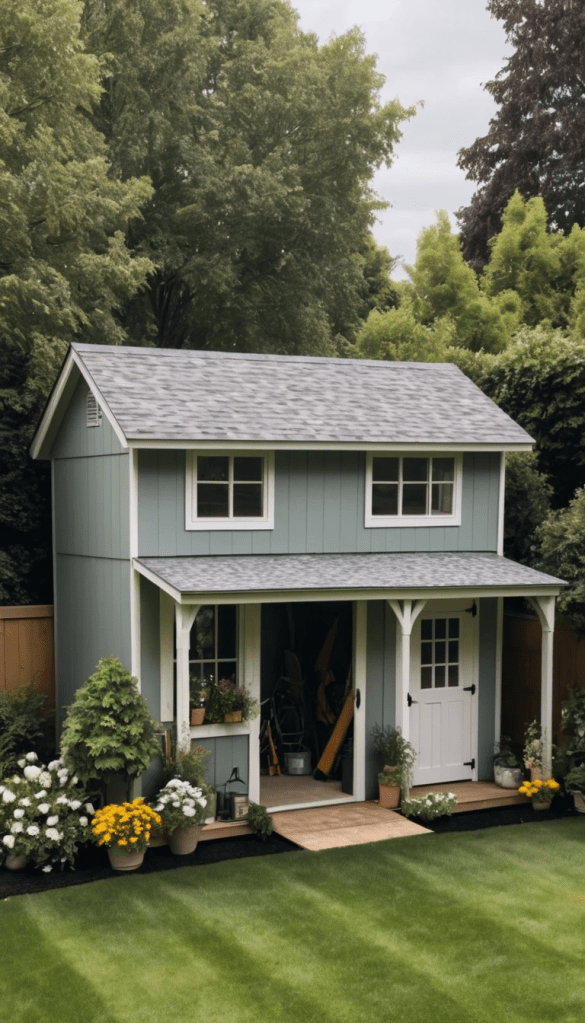
I placed the shed in a flat, well-drained corner of my backyard, away from trees to avoid falling debris. The ground was relatively level, which simplified the foundation process. Avoid low-lying areas where water collects, as this can damage the shed’s floor over time.
Building a Simple Foundation
A proper foundation is critical to prevent shifting and rot. For a budget-friendly option, I created an on-grade foundation using concrete blocks and gravel, which cost $25.
Steps:
- Clear the Area: Remove grass, rocks, and debris to create a flat surface.
- Level the Ground: Use a shovel and a 4-foot level to ensure the ground is within 6 inches of level.
- Lay Gravel: Spread a 4-inch layer of crushed gravel for drainage and stability. I bought a bag of gravel for $10 from a local supplier.
- Place Concrete Blocks: Set four solid concrete blocks at the corners of the shed’s footprint, ensuring they’re level. I got used blocks for $15 from a construction site.
This foundation is ideal for sheds under 200 square feet and requires minimal skill. Avoid hollow concrete blocks, as they can crack under the shed’s weight.
Step 4: Constructing the Frame
Building the Floor Frame
The floor frame forms the base of the shed. I used pressure-treated 2x4s for durability, as they resist rot and moisture. My floor frame cost $20, sourced from reclaimed lumber.
Steps:
- Cut Lumber: Measure and cut four 2x4s to form a 6×4-foot rectangle (two 6-foot rim joists and two 4-foot band joists).
- Assemble the Frame: Secure the corners with 3-inch wood screws, ensuring 90-degree angles with a square.
- Add Joists: Install 2×4 joists every 16 inches across the 4-foot width, securing them with screws.
- Place on Foundation: Set the frame on the concrete blocks and check for level.
Installing the Floor
I used one sheet of ½-inch plywood for the floor, cut to fit the 6×4 frame ($15 from a discount bin). Lay the plywood with the grain perpendicular to the joists for maximum strength, and secure it with 2-inch nails every 6 inches along the edges and joists.
Step 5: Framing the Walls
Constructing Wall Frames
The walls consist of 2×4 studs and top/bottom plates. I used reclaimed 2x4s ($20 total) to keep costs low.
Steps:
Cut Studs and Plates: For a 6×4 shed with 7-foot walls, cut four 6-foot bottom/top plates, four 4-foot plates, and 12 studs (7 feet tall, minus 3 inches for plates).
Assemble Frames: Lay out each wall frame on the ground. Attach studs to plates with 3-inch screws, spacing studs 16 inches on center.
Modify for Door and Window: For the front wall, I left a 3-foot gap for a door. I skipped windows to save money, but you can add a small window for $10-20 if desired.
Raise and Secure: With a friend’s help, lift each wall frame onto the floor frame, ensuring it’s plumb with a level. Secure walls to the floor with screws and connect corners with nails.
Adding Wall Sheathing
I covered the walls with reclaimed wooden panels, sanded and sealed for weather resistance (free from a neighbor). Alternatively, ½-inch plywood ($15-20) or oriented strand board (OSB) works well. Attach sheathing with 2-inch nails, ensuring seams align with studs for strength.
Step 6: Building the Roof
Framing the Roof
For a lean-to roof, I used 2x4s to create a sloped frame, with the back wall 6 inches taller than the front to ensure water runoff. The roof frame cost $15 (reclaimed 2x4s).
Steps:
Cut Rafters: Cut four 2x4s to span the 4-foot depth, angled to create a 10-degree slope.
Notch Rafters: Notch the ends to fit securely on the top plates. I used a jigsaw for precise cuts.
Install Rafters: Secure rafters to top plates with screws, spacing them 16 inches apart.
Add Plywood: Cover the rafters with ½-inch plywood ($10, discount bin), secured with nails.
Installing Roofing
I used corrugated metal panels ($15 from a scrap yard) for a durable, budget-friendly roof. Attach panels with roofing screws, overlapping edges to prevent leaks. Seal seams with silicone caulk ($5). Alternatively, heavy-duty tarps or recycled asphalt shingles can work for even less.
Step 7: Building the Door
I built a simple door using reclaimed 2x4s and wooden panels ($10 total).
Steps:
- Frame the Door: Create a 3×6-foot frame with 2x4s, secured with screws.
- Add Sheathing: Cover the frame with wooden panels, nailed in place.
- Install Hinges: Attach the door to the frame with two hinges ($10).
- Add a Latch: I used a basic latch ($5) for security.
For a sturdier door, consider reinforcing the frame with diagonal braces. If you have extra budget, a pre-made door from a salvage yard can save time.
Step 8: Finishing Touches
Sealing and Painting
To protect the shed from weather, I applied a coat of exterior sealant ($10) to the walls and floor. I also painted the exterior with leftover exterior paint from a previous project (free). If you need paint, a small can costs $10-15.
Weatherproofing
Check for gaps in the walls, roof, and door. Apply silicone caulk ($5) to seal any openings. For the roof, ensure proper overlap of roofing material to prevent leaks.
Adding Shelves
To maximize storage, I built simple shelves using scrap 2x4s and plywood (free from leftovers). Attach shelves to studs with screws, spacing them to accommodate your tools.
Step 9: Cost Breakdown and Savings Tips
Here’s the final cost breakdown:
Lumber (2x4s): $40 (reclaimed)
Plywood: $50 (discount bin)
Concrete Blocks and Gravel: $25
Roofing (Corrugated Metal): $15 (scrap yard)
Fasteners and Hardware: $30
Sealant and Caulk: $15
Jigsaw (Used): $15
Total: $180
Savings Tips:
Use Reclaimed Materials: Check salvage yards, online marketplaces, and construction sites.
Borrow or Rent Tools: Avoid buying expensive tools you’ll rarely use.
Shop Discount Bins: Home improvement stores often sell damaged plywood and lumber at deep discounts.
Simplify Design: A lean-to roof and minimal features reduce material needs.
Work with a Friend: An extra pair of hands speeds up the process and reduces the need for professional help.
Step 10: Lessons Learned and Tips for Beginners
As a first-time builder, I made a few mistakes but learned valuable lessons:
- Double-Check Measurements: Measure twice, cut once to avoid wasting materials.
- Prioritize Leveling: An uneven foundation can cause structural issues.
- Invest in Quality Fasteners: Cheap screws can strip or break, causing delays.
- Take Your Time: Rushing leads to errors, especially when cutting or aligning frames.
- Ask for Help: Don’t hesitate to involve a friend or family member for heavy lifting or advice.
For beginners, I highly recommend using a resource like Ryan’s Shed Plans for detailed blueprints and material lists. Their plans helped me avoid costly mistakes and build confidently.
Conclusion
Building a backyard shed for under $200 with no experience is not only possible but also incredibly rewarding. By carefully planning, sourcing affordable materials, and following a reliable plan like those from Ryan’s Shed Plans, you can create a durable, functional shed that meets your needs without breaking the bank. My 6×4 lean-to shed now stands proudly in my backyard, housing my tools and adding value to my property—all for just $180.
Whether you’re a complete beginner or a budget-conscious DIYer, this guide provides everything you need to get started. Take your time, be resourceful, and enjoy the process of building something with your own hands. If you’re ready to take on this project, check out Ryan’s Shed Plans for professional-grade blueprints that make the process even easier.
Affiliate Disclosure
This article contains affiliate links, including links to Ryan’s Shed Plans. If you click through and make a purchase, I may earn a small commission at no additional cost to you. I only recommend products I believe in, and these commissions help support the creation of free content like this guide. Thank you for your support!
Discover more from WoodReality
Subscribe to get the latest posts sent to your email.
 WoodReality